The email marketing benefits for business are easy to prove because everything is measurable. Email marketing remains one of the most dependable revenue channels available to Indian businesses in 2026. At OneCity Technologies, we have managed email campaigns for clients across Bangalore, Mangaluru, and Mysuru since 2017, and the pattern is consistent: businesses that treat email seriously outperform those that rely entirely on social media or paid ads. This guide covers why email marketing works, how to do it well, and what separates campaigns that generate revenue from those that get ignored.

Why Email Marketing Still Delivers Results in 2026
There is a statistic that circulates frequently in marketing discussions: email delivers ₹3,600 in return for every ₹100 spent. The figure varies by source and sector, but the underlying truth holds. Email is a channel you own. Unlike a social media page where reach depends on an algorithm you cannot control, your email list belongs to you. A subscriber who opted in two years ago is still reachable tomorrow regardless of what Meta or Google does with their ad auction.
India crossed 500 million active email users in 2024 according to Statista, with business email usage concentrated heavily in metro cities like Bangalore, Mumbai, and Hyderabad. The professional class in Bangalore , IT employees, startup founders, procurement managers, HR teams , checks email multiple times daily. For B2B businesses in particular, email is where decisions get made.
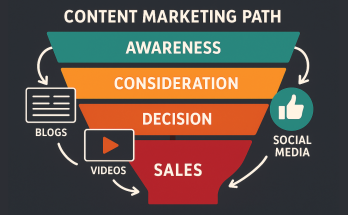
Social media is excellent for awareness. Email is where you close.
The Core Benefits of Email Marketing for Indian Businesses
1. Direct Access to Your Audience
When someone gives you their email address, they are granting you direct access to their inbox. No intermediary platform decides whether your message appears. Compare this to a Facebook post that reaches 2–5% of your page followers organically, or an Instagram story that disappears after 24 hours. Your email arrives unless it is filtered as spam , and avoiding that filter is a solvable technical problem, not a mystery.
For a business in Jayanagar or Koramangala trying to reach repeat customers, email is the most reliable line of communication available.
2. Segmentation and Personalisation at Scale
Generic bulk email is dead. Any ESP (email service provider) worth using , Mailchimp, Zoho Campaigns, Sendinblue, or Klaviyo , lets you segment your list by behaviour, geography, purchase history, and engagement level. A clothing retailer in Bangalore can send different emails to customers who bought kurtas versus those who bought western wear. A real estate business in Mysuru can send different content to investors versus first-time home buyers.
Personalisation does not mean inserting the subscriber’s first name in the subject line, though that still helps. Real personalisation means the content of the email is relevant to what that person has already shown interest in. When you get that right, open rates climb above 30% and click-through rates exceed 5% , both well above industry averages.
3. Measurable ROI with Precise Attribution
Every email campaign produces data. Open rate tells you whether your subject line worked. Click-through rate tells you whether your content was relevant. Conversion rate tells you whether your offer landed. Unsubscribe rate tells you whether you are emailing too frequently or with irrelevant content.
This feedback loop is immediate. Run an A/B test on two subject lines on Monday morning, have statistically significant data by Monday afternoon, and use the winner for the remaining send. No other marketing channel gives you that speed of iteration.
For small businesses managing tight budgets , which describes most of OneCity’s clients outside the enterprise segment , this measurability is critical. You know exactly what is working and can stop what is not.
4. Automation That Works While You Sleep
Email automation sequences are among the highest-ROI investments a business can make. A well-built welcome sequence , five to seven emails sent over the first two weeks after someone subscribes , can do more to convert a prospect than a sales call. A post-purchase sequence that checks in, offers support, and introduces related products drives repeat revenue without requiring human intervention.
Common automation sequences that consistently perform for Indian businesses:
- Welcome series: Introduce the brand, share proof, make an initial offer
- Abandoned cart: Essential for e-commerce; recovers 5–15% of lost revenue
- Lead nurture: Educate prospects over 4–8 weeks before a sales ask
- Re-engagement: Win back subscribers who have not opened in 90 days
- Post-purchase: Request reviews, introduce referral programme, upsell
OneCity has set up automation sequences for education clients, e-commerce businesses, and professional services firms across Karnataka. The time investment is front-loaded , building the sequence takes work , but once live, it runs without daily management.
5. Cost Efficiency Compared to Every Alternative
Google Ads management in competitive Bangalore categories , real estate, education, legal services , can cost ₹80–250 per click. Facebook Ads have crept up in cost as more advertisers compete for the same attention. Email, by contrast, costs the same per send whether your list has 500 subscribers or 50,000. Zoho Campaigns starts at under ₹700 per month for up to 5,000 contacts. Mailchimp’s free tier covers up to 500 contacts.
For businesses with an established list, email has the lowest cost per conversion of any digital channel. The constraint is list quality, not budget.
6. Strengthens Customer Relationships Over Time
A customer who bought from you once is the easiest person to sell to again , provided you stay in their awareness. Email is the mechanism for that. A monthly newsletter that is genuinely useful (not just promotional) keeps your brand top of mind without being intrusive. A client who receives consistently valuable emails from you is far more likely to refer you, return for repeat business, and leave a positive review.
This is especially true for service businesses in Bangalore where trust and reputation drive most new business. A well-maintained email list is a trust asset.
Types of Email Campaigns That Work
Newsletter Campaigns
Sent monthly or fortnightly to your full list. The goal is to provide value , industry updates, how-to content, case studies , not just to sell. Businesses that only send promotional emails see their lists shrink through unsubscribes. Businesses that lead with value see their lists grow and their click rates stay healthy.
Promotional Campaigns
Tied to specific offers, launches, or seasonal events. Diwali, Ugadi, end-of-financial-year, and new product launches are all valid triggers for a promotional send. Keep these occasional , no more than once or twice a month , or you train subscribers to tune you out.
Transactional Emails
Order confirmations, payment receipts, booking reminders, and password resets. These have the highest open rates of any email type (often above 60%) because people expect and want them. Every transactional email is an opportunity to reinforce your brand and introduce an additional offer without being intrusive.
Drip Campaigns
Pre-written sequences triggered by subscriber behaviour. The classic example is a lead magnet download , someone downloads your free SEO checklist, which triggers a 6-email sequence introducing your services over three weeks. By the time you make a sales ask at email six, the subscriber has already received substantial value from you.
What Good Email Marketing Looks Like in Practice
Working with a travel company in Bangalore, OneCity built a three-part abandoned-cart sequence that recovered 11% of abandoned bookings over a 90-day period. The emails were plain text, short, and sent from a named person rather than a generic address. No heavy HTML templates, no overloaded images , just clear, relevant copy.
For a professional services client, we built a 12-email lead nurture sequence targeting procurement managers. The sequence took 8 weeks to play out, opened with a free audit offer, and ended with a case study. Conversion rate from sequence completion to consultation booking: 18%.
Neither of these campaigns required a large budget. They required understanding the audience and writing content that was worth reading.
Email Deliverability: The Technical Foundation
None of the above matters if your emails land in spam. Deliverability is a technical problem with technical solutions:
- SPF, DKIM, DMARC records must be correctly configured in your domain DNS. These authenticate your sending identity and dramatically reduce spam filtering.
- Sending domain reputation is built gradually. Start with small sends, maintain low bounce rates (below 2%), and keep complaint rates below 0.1%.
- List hygiene: Remove hard bounces immediately. Suppress unengaged subscribers after 6 months. A smaller, engaged list outperforms a large, dirty list every time.
- Avoid spam trigger words in subject lines: “FREE”, “ACT NOW”, “GUARANTEED”, excessive capitalisation, and too many exclamation marks all increase spam scores.
If you are using a reputable ESP and following basic list hygiene, inbox placement should not be a persistent problem. If you are consistently landing in promotions or spam, it is usually a domain reputation issue that requires systematic warm-up and list cleaning.
Additionally, use a blacklist checker to determine whether your sending IP address or domain appears on known email blocklists. If it is listed, investigate the cause and resolve the issue before launching large-scale email campaigns.
Building Your Email List the Right Way
Purchasing email lists is a waste of money and a compliance risk. Unsolicited emails violate India’s IT Act provisions on spam and damage your sender reputation. Build your list with consent:
- Opt-in forms on your website , header, footer, blog sidebar, and exit-intent popups
- Lead magnets: free guides, checklists, templates, or consultations in exchange for an email address
- Events and webinars: every registration is a consent-based subscriber
- In-store or in-office collection with explicit opt-in at point of contact
- Referral programmes that incentivise existing subscribers to share
A list of 500 people who actively want to hear from you is worth more than 5,000 cold contacts who have never heard your name.
Common Email Marketing Mistakes Indian Businesses Make
Sending Without a Strategy
Ad hoc emails , sent whenever someone remembers , produce inconsistent results and erode list trust. You need a calendar, a clear segmentation plan, and defined goals for each campaign type.
Ignoring Mobile Optimisation
Over 70% of emails in India are opened on mobile devices. If your email template requires horizontal scrolling, has font sizes below 14px, or has CTA buttons smaller than 44x44px, you are losing a large portion of your audience before they read your message.
No Clear Call to Action
Every email needs one primary action you want the reader to take. One. Not five links to different pages, not three competing offers. Pick one goal per email and make the path to it obvious.
Not Testing
Subject line A/B testing takes ten minutes to set up in any major ESP and consistently produces measurable lifts in open rate. Skipping it is leaving performance on the table.
How OneCity Can Help
OneCity Technologies has managed email marketing campaigns for businesses across Bangalore, Mangaluru, and Mysuru since 2017. Our service covers strategy, list segmentation, campaign design, copywriting, automation setup, and monthly performance reporting.
We work with businesses across sectors: e-commerce, professional services, education, real estate, hospitality, and manufacturing. If you have a list that is not generating revenue, or you are starting from zero and want to build a channel that compounds over time, we can help.
Contact us at onecity.co.in/contact-us or call +91 99023 30233 to discuss what an email marketing programme looks like for your specific business.
Email Marketing Compliance in India: What You Need to Know
Email marketing in India operates under the Information Technology Act 2000 and its subsequent amendments, as well as TRAI’s Unsolicited Commercial Communications regulations. While the regulatory framework is less prescriptive than GDPR in Europe, there are clear obligations that businesses must meet to avoid penalties and maintain sender reputation.
The core requirements are straightforward. You must have consent before sending commercial emails. Every email must include a clear unsubscribe mechanism that works within 10 days of request. Your sender identity , the From name and email address , must accurately represent your business. You cannot use deceptive subject lines.
Beyond legal compliance, there is the practical matter of DMARC compliance. Google and Yahoo both updated their bulk sender requirements in 2024, requiring that any business sending more than 5,000 emails per day to Gmail or Yahoo addresses must have SPF, DKIM, and DMARC authentication properly configured. Businesses below that threshold benefit from the same setup even if it is not yet mandated , it improves deliverability materially.
OneCity configures DNS authentication records as part of every email marketing onboarding. It takes under an hour and prevents months of deliverability problems.
Measuring Email Marketing Performance: Metrics That Matter
Vanity metrics are the enemy of good email marketing. Open rate is useful as a directional indicator , it tells you whether your subject lines are working and whether your sender reputation is healthy , but it is not a revenue metric. Since Apple’s Mail Privacy Protection launched in 2021, open rates for Apple Mail users are artificially inflated anyway. Treat open rate as a hygiene check, not a success measure.
The metrics that connect to revenue:
- Click-to-open rate (CTOR): Of the people who opened, what percentage clicked? This measures content relevance independently of deliverability. A CTOR above 20% indicates strong content-audience fit.
- Conversion rate: What percentage of recipients completed the desired action , purchase, booking, form submission? This is the metric that justifies the channel.
- Revenue per email: Total revenue attributed to a campaign divided by emails sent. Useful for comparing campaign performance over time and across segments.
- List growth rate: Net new subscribers as a percentage of total list size per month. A healthy list grows faster than it churns. If growth rate is negative, you have a fundamental problem with acquisition or content quality.
- Unsubscribe rate: Above 0.5% per send indicates a problem , either you are emailing too frequently, to the wrong segments, or with irrelevant content. Below 0.2% is healthy.
Set up a simple monthly dashboard tracking these five metrics. After six months you will have enough data to identify patterns and make meaningful optimisations.
Email Marketing for Specific Industries in Bangalore
Real Estate
Bangalore’s real estate market , with active corridors in Whitefield, Sarjapur Road, Hebbal, and Electronic City , has long sales cycles. A prospect who inquires about a project today may not be ready to commit for 6–18 months. Email is the only cost-effective way to stay present with that prospect throughout their decision journey without repeatedly spending on paid ads.
Real estate email sequences should include project updates, area infrastructure news (metro extensions, IT park developments), EMI calculators, and client testimonials. The goal is to remain the most informed and trustworthy voice in the prospect’s inbox on Bangalore property.
Education and Coaching
Bangalore has one of India’s densest concentrations of coaching institutes, upskilling platforms, and professional certification programmes. Email is the primary conversion channel for this sector. Lead magnet downloads , a free study guide, a mock test, a career roadmap , feed segmented nurture sequences that guide prospects from initial interest to enrolment.
The critical success factor in education email marketing is timing. Campaigns tied to board exam results, CAT registration windows, and placement season outperform generic monthly sends by a wide margin.
Professional Services: Legal, CA, Consulting
For professional services firms in Bangalore, email builds the authority that generates referrals. A CA firm sending a monthly newsletter on GST updates, ITR filing deadlines, and tax planning strategies positions itself as the most knowledgeable firm in their client’s network. When a client needs to refer someone, they refer the person whose name they see in their inbox every month.
Subject matter expertise demonstrated consistently through email is the highest-ROI marketing activity available to most professional services firms , and the most underused.
Integrating Email with Your Other Marketing Channels
Email does not work in isolation. The most effective marketing programmes use email as the conversion layer of a multi-channel system. Paid social builds awareness. SEO brings in organic search traffic. content marketing services provides the material worth emailing. Email captures, nurtures, and converts the interest generated by every other channel.
Practically, this means your email opt-in should be present at every high-intent touchpoint: blog posts, landing pages, webinar registrations, and lead magnet downloads. Your email content should link back to your strongest blog posts and service pages, reinforcing your SEO through internal traffic signals. Your email sequences should reference your social channels to build cross-platform follow.
For e-commerce businesses, the integration with your website is direct: every product browse, cart add, and purchase feeds into automated email triggers. This closed loop , website behaviour driving email, email driving website return visits , is what makes email the highest-ROI channel for e-commerce specifically.
Related reading
- Why Mobile Apps Are The Best Way To Improve Your Business?
- 13 Benefits of Social Media Marketing for Your Business
- Benefits of Web Design and Development for Business
- Web Hosting Benefits: What Every Business Should Know
Frequently Asked Questions
How much does email marketing cost for a small business in Bangalore?
Basic email marketing software costs ₹700–3,000 per month depending on list size and features. Agency management, including strategy, copywriting, and reporting, typically starts at ₹8,000–15,000 per month for small businesses. The channel pays for itself quickly when campaigns are run with proper segmentation and automation.
Which email marketing platform is best for Indian businesses?
Zoho Campaigns is the most cost-effective option for businesses billing in INR with strong deliverability to Indian addresses. Mailchimp offers the best free tier for lists under 500 contacts. Klaviyo is the strongest choice for e-commerce businesses with WooCommerce or Shopify integration. For enterprise B2B, HubSpot or ActiveCampaign provide the most complete automation capability.
How often should I send emails to my list?
For most businesses, once or twice a month is the right cadence for newsletters. Promotional campaigns can layer on top of this around specific events. Automation sequences , welcome series, abandoned cart, post-purchase , run independently of your broadcast cadence. Sending more frequently than twice a month to your full list typically increases unsubscribes without proportional revenue gain unless your content is exceptionally high quality.
Is email marketing effective for B2B businesses in Bangalore?
Yes , in some ways more effective than for B2C. B2B sales cycles are longer, which means the nurture capability of email (consistent, value-first communication over weeks or months) is a structural advantage. Decision-makers in Bangalore’s IT and manufacturing sectors check email regularly during business hours. A well-targeted B2B email to the right contact list will consistently outperform cold calls for appointment generation.
What is the average open rate for email marketing in India?
Industry benchmarks for Indian email marketing sit between 18–28% average open rate depending on sector. Professional services and education tend to perform above this range; retail and e-commerce below. If your open rates are below 15%, the issue is usually subject line quality, sender reputation, or list hygiene rather than content.
L.K. Monu Borkala
Founder & SEO Director, OneCity Technologies
20 years running SEO campaigns from Bangalore. Full author profile · LinkedIn
Frequently Asked Questions
Is email marketing still worth it in 2026?
Yes. A commonly cited figure is that email delivers around 3,600 rupees in return for every 100 rupees spent, and unlike social media reach, an email list is a channel a business fully owns and controls.
How many active email users are there in India?
India crossed 500 million active email users in 2024 according to Statista, with business email usage concentrated heavily in metro cities like Bangalore, Mumbai, and Hyderabad.
What’s the advantage of email over social media for reaching customers?
A Facebook post typically reaches only 2 to 5 percent of page followers organically, while an email arrives directly in a subscriber’s inbox unless filtered as spam, which is a solvable technical problem.