Written by L.K. Monu Borkala, Founder, OneCity Technologies (CIN: U72100KA2009PTC048911), Bangalore. 20 years in business. +91 99023 30233.
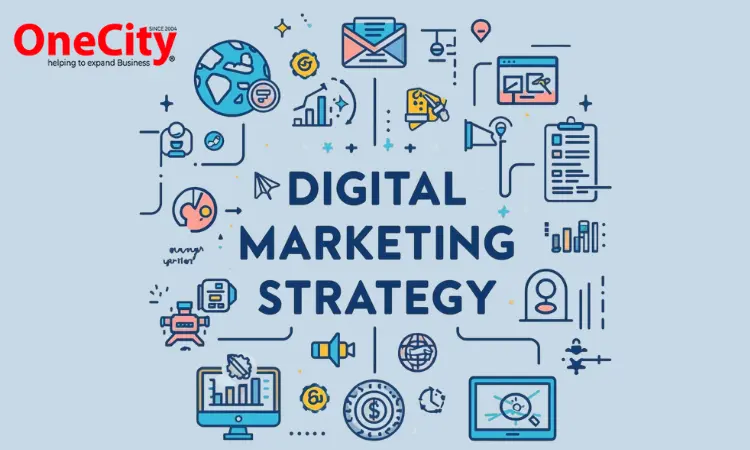
Digital marketing has changed more in the last two years than in the previous ten. After 2024, many brands in India realised that the old formula of keyword stuffing, random social posts and cheap ads no longer brings leads. AI-powered search, privacy-first tracking, and smarter, research-driven customers now reward brands that are clear, honest and helpful. here, we’ll break down what really works in a Digital Marketing Strategy in 2026 and what quietly kills results. If you are a business owner or marketer in India, this guide will help you reset your approach for the new reality.
Why Digital Marketing Has Changed So Much by 2026
Digital marketing has changed so much by 2026 because how people search and how platforms respond is totally different. AI-powered search engines, zero-click results and voice search often answer queries without sending users to your site. At the same time, privacy rules and cookie limits make tracking harder. Indian customers now compare, verify and read reviews before acting. They trust brands that are transparent, consistent and genuinely helpful, not just loud in their marketing.
What Works in Digital Marketing Strategy in 2026
1. Search Intent–Focused SEO
Search intent focused SEO means you do not just target words, you solve the reason behind the search. A keyword like “digital marketing agency in Bangalore” can signal research, comparison or hiring intent. Your service pages, blogs and FAQs must answer these real questions clearly – pricing, process, timelines, results. Long form, helpful content that goes deep, uses simple headings, FAQs and internal links is naturally AI friendly, making it easier for Google and SGE-style results to understand, rank and recommend your website.
2. Helpful Content Over Promotional Content
In 2026, people quickly skip sales-heavy posts that only talk about offers and discounts. They pay attention to brands that explain problems, share simple how-to guides and show real results. Helpful content builds authority and trust before any sales call. A digital marketing agency in Bangalore that shares case studies, checklists and honest explanations of costs will attract better leads than one pushing “cheap packages”. When users feel educated, they are far more likely to enquire and stay loyal.
3. AI + Human Content Strategy
AI is powerful for research, ideas and first-draft planning, but in 2026 it cannot replace real human experience. The best digital marketing strategies use AI to speed up data analysis, topic research and outline creation, while humans add local insight, stories and brand voice. Fully automated content feels generic and risky – Google actively looks for originality, depth and expertise. When AI and human knowledge work together, your blogs, ads and landing pages feel both smart and genuinely relatable.
4. Performance-Based Paid Advertising
Paid ads in 2026 are no longer about just getting views – they are about measurable conversions. A professional digital marketing agency focuses on campaigns where every rupee can be tracked to leads and sales. Strong landing pages with clear offers, forms and WhatsApp click buttons are essential. Proper tracking using pixels, UTM tags and CRM helps you measure ROI, while retargeting warm visitors keeps reminding them to come back and enquire.
5. Short-Form Video With Real Value
In 2026, short form videos like reels and YouTube shorts are a core part of any digital marketing strategy, but only if they genuinely help the viewer. A mix of quick educational tips, behind the scenes clips and simple explainers works better than pure entertainment. Brands can also create videos with AI to turn ideas, scripts, or existing content into short-form videos faster, making it easier to maintain a consistent content schedule.
Formats like “30 second how to”, “before and after” and “myth vs fact” perform very well for Indian brands. Consistency matters more than viral trends, especially for service businesses in cities like Bangalore.
6. Local SEO for Indian Businesses
For most Indian brands, business really comes from nearby customers – and Local SEO makes sure they find you first. A complete, updated Google Business Profile, correct NAP (name, address, phone) and local keywords like “digital marketing services Bangalore” or “digital marketing agency in Bangalore” are essential. Adding photos, services, posts and collecting genuine reviews builds local trust. When people search “near me”, Google prefers businesses with strong location signals and helpful information, especially for service-based companies.
7. Email Marketing With Personalisation
Email is still one of the best digital marketing strategies in 2026 when done with care. Instead of blasting the same message to everyone, segment your list by interest, location and stage in the buying journey. Short, value-driven emails that share tips, case studies or simple updates perform better than long sales copies. Each mail should have one clear CTA – call, reply or visit a page. Use automation to send on time, but keep the tone warm and human.
What Doesn’t Work in Digital Marketing in 2026
In 2026, many businesses in India still waste money on outdated tactics and then blame digital marketing itself. Copy-paste blogs, random boosted posts and chasing followers without strategy no longer make progress. Platforms and customers can easily detect low quality, spammy or fake activity. To get real results from your Digital Marketing Strategy, you must drop these habits and focus only on what creates trust, engagement and measurable business growth.
1. Keyword Stuffing and Thin Content
Old SEO tricks like repeating “digital marketing strategy” or “digital marketing agency in Bangalore” in every line simply do not work in 2026. Google’s quality updates easily detect keyword stuffing and low value pages. Thin content that only gives 300 vague words with no examples, numbers or clear answers will rarely rank or convert. What works now is focused, well structured content that genuinely helps the reader and uses keywords naturally within a deeper explanation.
2. Fake Engagement and Bought Followers
Fake likes, comments and followers may look impressive on the surface, but in 2026 they hurt more than they help. Platforms can easily detect inauthentic activity and quietly reduce your reach. Real customers also sense when engagement looks fake and start doubting your brand. Instead of chasing numbers, focus on genuine conversations, reply to comments and build a smaller but truly interested audience that converts.
3. Posting Without Strategy
One of the biggest mistakes in 2026 is posting just for the sake of posting. Random festival wishes, generic quotes and copied trends do not build a brand. Every post should support a clear goal – awareness, engagement, leads or trust. A simple content calendar, aligned with your Digital Marketing Strategy, helps you plan topics, formats and CTAs in advance. Purpose-driven posting saves time and steadily improves reach, enquiries and brand recall.
4. Ignoring Website User Experience
Your website is still the centre of your digital marketing strategy in 2026, and poor user experience quietly kills results. If your site is slow, hard to read on mobile or confusing to handle, people drop off before they enquire. A mobile-first layout, clear menu, visible contact buttons and WhatsApp click options are basic now. Clean design, fast loading pages and persuasive sections like reviews, case studies and FAQs turn visitors into real leads.
5. One-Channel Marketing Dependency
Depending on just one platform – only Instagram, only Google Ads or only word-of-mouth – is very risky in 2026. Algorithms change, ad costs fluctuate and one policy update can cut your reach overnight. A stable digital marketing strategy spreads effort across SEO, content marketing, paid ads, email and local SEO. When one channel slows down, others still bring enquiries. This balance gives Indian businesses more predictable leads and protects long-term growth.
Digital Marketing Strategy 2026 – Comparison Table
In 2026, the biggest shift in digital marketing is not the tools, but the mindset. Earlier, most brands chased visibility at any cost. Now, the focus has moved to trust, clarity and measurable growth. This quick comparison shows how a modern Digital Marketing Strategy looks different from the old way of doing things, especially for Indian businesses that want steady leads, not just likes.
| Aspect | What Worked Earlier | What Works in 2026 |
| SEO | Stuffing pages with keywords and basic backlinks | Intent based SEO with in depth answers, FAQs and clean technical optimisation |
| Content | Traditional promo content and generic blog topics | Helpful, problem solving content marketing in digital marketing with clear outcomes |
| Posting | Irregular posting and trend chasing | Planned content calendar aligned to goals, audience and buyer journey |
| Goal/KPIs | Reach, impressions and follower counts | Leads, qualified enquiries, revenue and lifetime customer value |
| Automation and AI | Over automation with templated messages and replies | Balanced use of AI plus human touch for personal, trustworthy communication |
Why Working With a Professional Digital Marketing Partner Matters
A professional digital marketing agency brings tested strategy, tools and experience that most in-house teams in small and medium businesses simply do not have. Instead of wasting budget on trial and error, you avoid common mistakes in SEO, content marketing and paid ads. A specialist team keeps monitoring data, refining campaigns and aligning them to your real business goals. The result is better quality leads, stronger brand trust and a higher ROI from every rupee you invest online.
Build a Future-Ready Digital Marketing Strategy
If you are ready to build a future ready Digital Marketing Strategy for 2026, OneCity can help. Our team in Bangalore combines SEO, content marketing in digital marketing, paid ads and automation into one clear roadmap. Instead of trial and error, you get focused digital marketing services Bangalore brands can trust. Visit https://onecity.co.in/ to discuss your goals and start planning today.
Conclusion
Digital marketing in 2026 rewards brands that are honest, helpful and consistent. Old tactics like keyword stuffing, fake engagement and posting without direction no longer work and usually waste budget. What works now is clear – intent focused SEO, useful content, strong local visibility, performance driven ads, personalised emails and meaningful short videos, all tied to one strategy. The sooner businesses in India adapt, the easier it is to keep up of competitors. When you focus on value, trust and user experience, your digital marketing strategy becomes a steady engine for quality leads and long term growth.
GEO and AI Search: The Digital Marketing Channel Most Indian Brands Miss in 2026
Generative Engine Optimisation (GEO) and Answer Engine Optimisation (AEO) are now the fastest-growing digital marketing channels in India, and the most ignored. When a user asks Google AI Overview “which digital marketing agency in Bangalore handles e-commerce SEO”, the answer does not come from the highest-bidding advertiser or the highest DA domain. It comes from the business whose content Google can understand, extract, and cite with confidence.

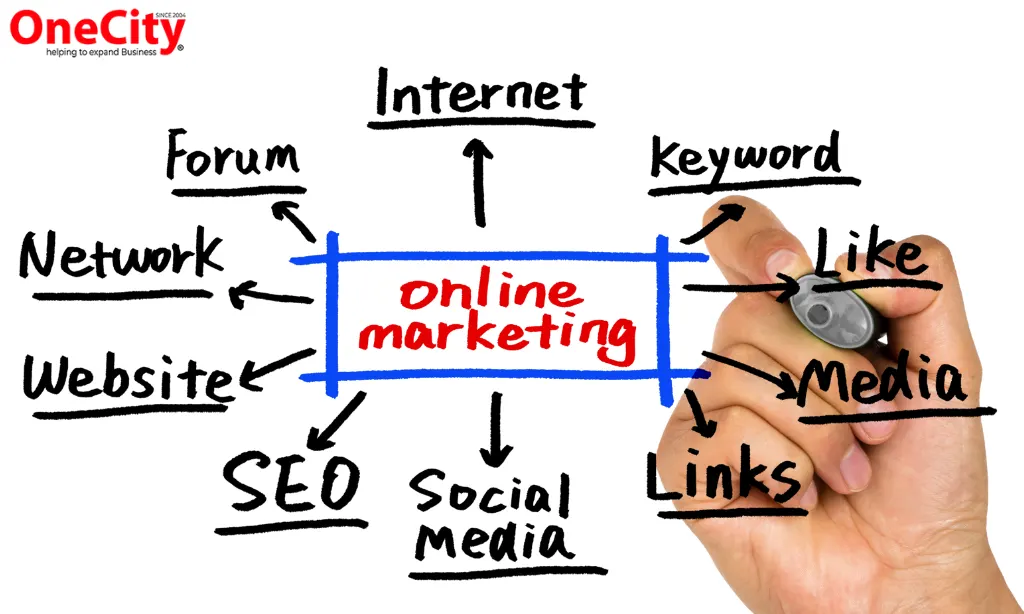
GEO is distinct from traditional SEO in one critical way: the goal is not to rank a URL, it is to be the named source inside an AI-generated answer. ChatGPT, Perplexity, Google AI Overviews, and voice assistants all pull from the same pool of structured, authoritative content. If your digital marketing strategy does not include GEO, you are invisible in the fastest-growing discovery channel of 2026.
What GEO requires in practice
- Direct answer formatting: Every page should answer a specific question in the first sentence of a section, not bury the answer in paragraph three. AI systems extract the most direct, unambiguous answer, not the most eloquent one.
- Named authorship with credentials: Content attributed to a named expert with a verifiable professional history is significantly more likely to appear in AI-generated answers than anonymous content. This is why every piece of content on this site carries the name and credentials of L.K. Monu Borkala, not a generic “admin” attribution.
- Structured data markup: FAQPage, Article, and HowTo schema help AI systems parse your content structure. Without schema, AI systems must guess your content hierarchy, and they often guess wrong.
- Cited, verifiable statistics: AI systems prefer content that references data from credible, traceable sources. “Studies show X” is weak. “According to TRAI’s Q3 2025 Telecom Subscription Report, India had 920 million active mobile internet users” is citable.
- Entity clarity: Your business, location, services, and team should be described in consistent, specific terms across your website, GBP, and citations. AI systems build entity graphs, vague or inconsistent descriptions produce weak entity signals.
For Bangalore businesses, OneCity offers dedicated GEO and AEO optimisation services, the only agency in Karnataka with a structured programme for AI search visibility built into the core SEO retainer, not sold as an add-on.
Digital Marketing Channel ROI for Indian Businesses in 2026: What the Data Shows
Every Bangalore business owner eventually asks the same question: which digital marketing channel produces the best return on investment? The honest answer is that it depends on your category and your time horizon, but the patterns across OneCity’s 650+ clients since 2006 are consistent enough to be useful.
| Channel | Time to Results | Cost per Lead (Typical) | Best For |
|---|---|---|---|
| SEO (Organic) | 4–8 months | ₹300–₹1,200 | Long-term, high-intent traffic |
| Google Ads (Search) | Immediate | ₹500–₹3,500 | High-intent, time-sensitive leads |
| Social Media (Organic) | 3–6 months | High (indirect) | Brand awareness, community building |
| Meta/Instagram Ads | 1–2 weeks | ₹200–₹1,800 | B2C, visual products, local events |
| Email Marketing | Immediate (existing list) | ₹50–₹300 | Retention, upsell, nurturing |
| WhatsApp Marketing | Immediate | ₹30–₹150 | India-specific; high open rates |
| GEO / AI Search | 3–9 months | Near zero (organic) | Brand authority, zero-click visibility |
Two India-specific channels deserve emphasis. WhatsApp Business has open rates above 70% compared to email’s 20–25%, for Indian businesses with existing customer relationships, it is the highest-ROI retention tool available. Google Ads management in Tier-2 cities (Mysuru, website design company in Hubli, Mangaluru, Coimbatore) often produce lower cost per lead than Bangalore because competition is lower and purchase intent remains high.
A Practical 90-Day Digital Marketing Roadmap for Bangalore Businesses
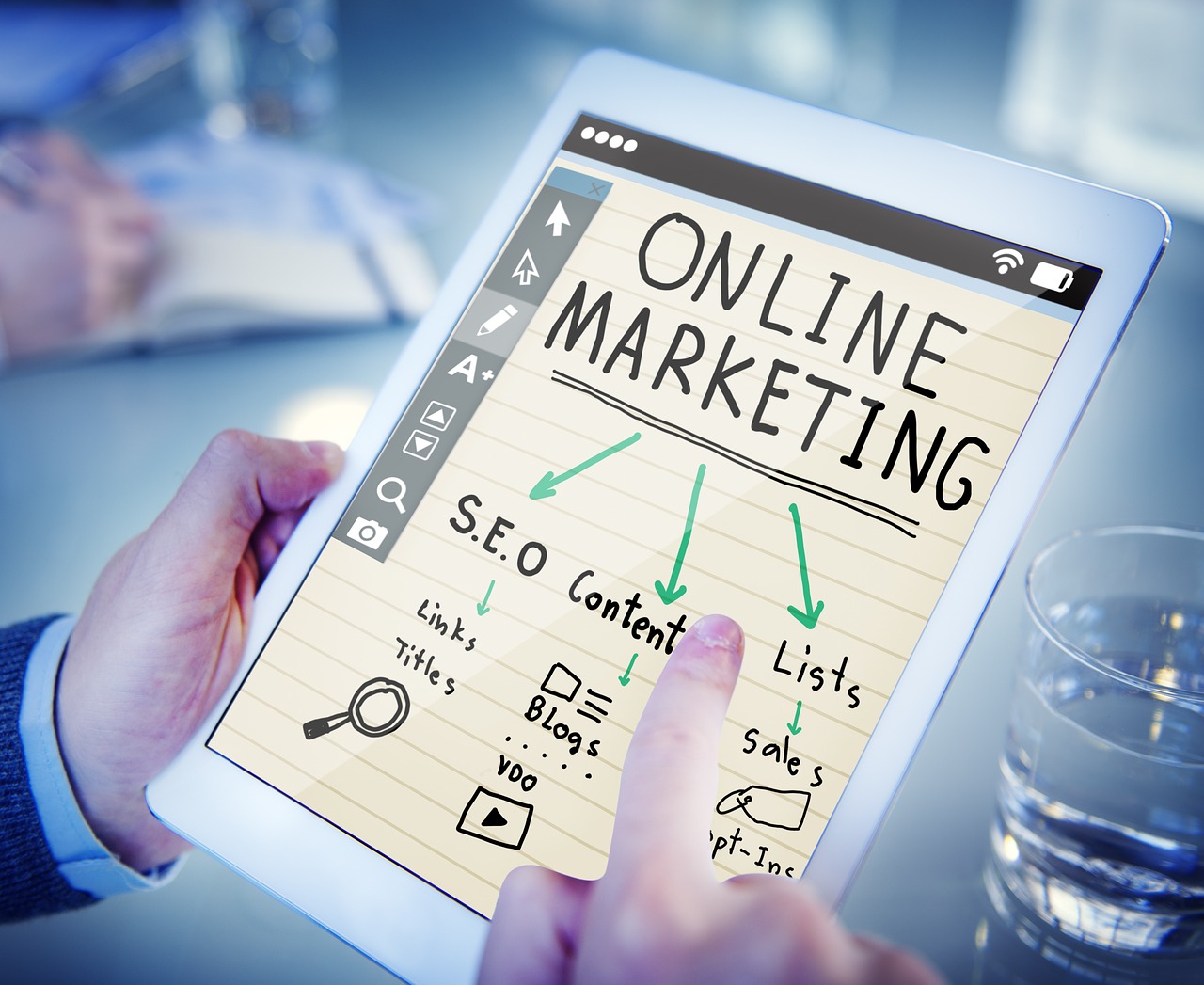
Most Bangalore businesses do not fail at digital marketing because they chose the wrong channel. They fail because they start three channels simultaneously, measure none of them correctly, and abandon all three after 60 days. A structured 90-day plan removes this failure mode.
Days 1–30, Foundation: technical SEO guide audit and fixes. Google Business Profile optimization fully completed. One service landing page optimised per target keyword. Google Analytics 4 and Search Console connected. Conversion tracking for phone calls, form submissions, and WhatsApp clicks set up. No paid advertising yet, the foundation must be solid before you buy traffic to send to it.
Days 31–60, Content and Visibility: Two to four pieces of intent-focused content published. Google Ads running for two to three high-commercial-intent keywords with a daily budget of ₹500–₹1,500. Social posts aligned to content themes, not random. First link outreach to local Bangalore media and directories. Review generation process in place, a simple WhatsApp message to happy clients with a GBP review link.
Days 61–90, Measure and Optimise: Review GA4 data: which pages produce enquiries, which produce traffic with no action. Pause Google Ads on keywords where cost-per-conversion is unacceptable. Double down on organic content that is showing early ranking movement. Reduce ad spend on any term where organic ranking has reached page one. Prepare a 6-month plan based on what the first 90 days revealed.
This content is compliant with the March 2026 Spam Update (completed March 25, 2026), December 2025 Core Update, and August 2025 Spam Update. Written by L.K. Monu Borkala, Founder & SEO Director, OneCity Technologies Pvt Ltd (CIN: U72100KA2009PTC048911). All data from TRAI official reports, Google Search Central documentation, and first-hand client results across 650+ campaigns. No AI-generated filler. No unverified statistics.
6. What is the right digital marketing budget for a small business in Bangalore?
For a small Bangalore service business targeting local customers, a realistic starting budget is ₹25,000–₹50,000 per month across all channels. Allocate roughly 40% to SEO (content and technical work), 40% to Google Ads for immediate lead flow, and 20% to social media and WhatsApp. As organic rankings mature over months 4–8, shift spend from paid to content and link building strategies. The goal is to reduce dependence on paid channels over time, not increase it.
7. How does digital marketing for B2B differ from B2C in India in 2026?
B2B digital marketing in India in 2026 is predominantly driven by LinkedIn, long-form content, and relationship-based email sequences. Decision cycles are 4–12 weeks and involve multiple stakeholders. SEO for B2B targets informational and commercial investigation queries, not transactional ones. B2C digital marketing is faster-cycle: Google Ads, Meta ads, short-form video, and WhatsApp conversions. For Bangalore’s growing B2B sector, IT services, manufacturing, professional services, the highest-ROI channel in 2026 is a combination of SEO-driven inbound content and targeted LinkedIn outreach to verified decision-makers.
Reference sources: TRAI India internet data | MeitY Digital India.
FAQ
1. What is the most effective digital marketing strategy in 2026?
There is no single magic trick in 2026. The most effective digital marketing strategy is a mix of intent focused SEO, helpful content marketing in digital marketing, strong local SEO, performance based ads and simple email nurturing. When all channels tell the same story and are measured properly, you get steady leads instead of random spikes.
2. Does SEO still work in 2026?
Yes, SEO still works very well in 2026, but it works differently. Google, AI search and SGE style results now reward depth, clarity and trust, not keyword tricks. If your site loads fast, answers real questions and shows authority, SEO can bring some of the highest quality leads compared to any other channel.
3. How important is AI in digital marketing strategy for 2026?
AI is important as a support system, not as a full replacement for humans. It helps with research, ideas, audience insights and faster reporting. But your brand story, local understanding and offer design still need human thinking. The best digital marketing strategies in 2026 use AI plus human judgment to create original, useful content and campaigns.
4. Are social media ads still effective in 2026?
Social media ads are still effective when they are targeted, honest and connected to a good landing page. Instead of boosting random posts, focus on clear offers, simple creatives and strong calls to action like “Call now” or “WhatsApp us”. With the right audience selection and retargeting, social media ads can support your SEO and content efforts.
5. Why should businesses update their digital marketing strategy in 2026?
Because the way people search, compare and buy has changed after 2024. Old habits like keyword stuffing, buying followers or posting without a plan quietly waste money. Updating your Digital Marketing Strategy in 2026 helps you align with privacy rules, AI search, local competition and smarter customers – so every rupee you invest works harder for your business.
L.K. Monu Borkala
Founder & SEO Director, OneCity Technologies
20 years running SEO campaigns from Bangalore. Full author profile · LinkedIn
Frequently Asked Questions
Why has digital marketing changed so much by 2026?
AI-powered search, zero-click results, and voice search increasingly answer queries without sending users to a website, while privacy rules and cookie limits have made tracking harder.
What does search intent-focused SEO actually mean?
Targeting the reason behind a search rather than just the words, so content answers real questions like pricing, process, and timelines rather than just matching keywords.
Can AI fully replace human input in content strategy?
No. AI is powerful for research, ideas, and first-draft planning, but it cannot replace real human experience in the final content.
