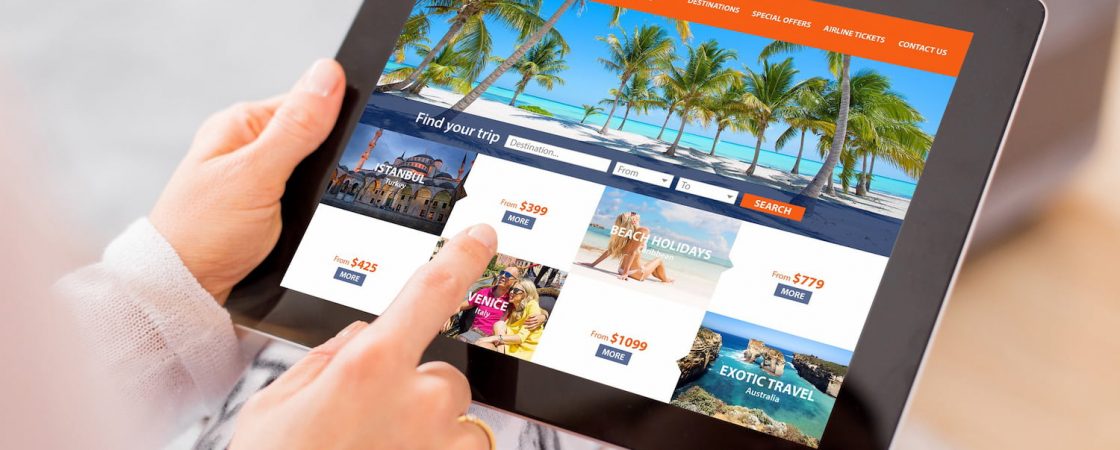
The travel and tourism industry in India has recovered substantially from its 2020-2022 disruption, and the businesses that invested in digital marketing during the lean years are now reaping disproportionate returns as demand has returned. The businesses that waited are rebuilding from a weaker position. This pattern , that digital investment compounds over time and that gaps taken during downturns are expensive to close , holds particularly true in travel, where the buying journey is long, research-intensive, and heavily influenced by content.


I am L.K. Monu Borkala, founder of OneCity Technologies in Bangalore. We work with travel and tourism businesses across India , tour operators, hotel groups, activity providers, and destination marketing organisations. The digital marketing dynamics in this sector have specific characteristics that differ meaningfully from other industries. This post covers what those are and what they mean for investment and strategy.
The Indian Travel Customer’s Research Behaviour
Travel purchase decisions in India have a longer and more content-dependent research phase than most other consumer categories. A family planning a trip to website design company in Coorg or Rajasthan might spend two to four weeks reading blogs, watching YouTube videos, comparing booking platforms, and asking questions in travel communities before making any reservations.
This extended research phase creates multiple touchpoints at which a travel business can appear, provide value, and build trust before the purchase decision is made. A tour operator in Bangalore offering packages to South India who publishes detailed guides to Coorg, Kabini, and Hampi , covering what to see, when to go, how to get there, what to expect , is present at every stage of that research phase. A competitor with only a booking page and a price list is present only at the final stage.
The implication is that content marketing is not an optional extra for travel businesses in India. It is a primary customer acquisition channel, particularly for independent travellers and the growing segment of experiential travellers who research extensively before booking.
SEO for Travel: High Competition, High Returns
Travel is one of the most competitive categories in search. Terms like “best places to visit in Karnataka” or “budget hotels in Bangalore” attract enormous search volume and have well-funded competitors with years of SEO investment. Ranking for these broad terms requires sustained effort and significant domain authority.
The more productive approach for most travel businesses , particularly smaller operators and boutique properties , is to focus on specific, long-tail search terms where the competition is lower and the searcher’s intent is more specific. “Coorg coffee plantation stay with activities” or “4-night Rajasthan heritage circuit from Bangalore” attracts fewer searches but the people making those searches are significantly further along in the buying process and more likely to book.
Local SEO matters for travel businesses with a physical presence. A hotel in Coorg that ranks well in “hotels near Raja’s Seat” Google Maps searches will capture bookings from guests who are already in the decision stage. Google Business Profile optimisation , complete property information, high-quality photos updated regularly, and active review management , is necessary for any property-based travel business.
Paid Search for Travel: The Channels That Work in India
Google Search Ads are the most direct paid channel for travel businesses targeting high-intent searches. A campaign bidding on terms like “Rajasthan tour packages from Bangalore” or “Andaman trip planner” reaches customers who are actively searching for what the business offers, at the moment they are searching.

The economics of paid search in travel require careful management. Cost per click for competitive travel terms can be substantial , Rs. 50 to 200 per click for popular packages , and the conversion path from click to booking often involves multiple sessions and touchpoints. Attribution is more complex than in categories with shorter decision cycles.
Meta’s advertising platforms , Facebook and Instagram , work well for travel in India, particularly for the inspiration and consideration phases of the buyer journey. Travel content , photography, short video, destination reels , performs well on Instagram, and Facebook’s targeting capabilities allow travel businesses to reach specific demographic and interest segments relevant to their offerings.
Managing Reviews and Reputation
Reviews are disproportionately important in travel. A TripAdvisor rating, a Google review score, and the content of those reviews directly influence booking decisions in a way that few other categories match. A property with 200 genuine reviews averaging 4.6 stars has a material conversion advantage over one with 40 reviews averaging 4.0, regardless of price positioning.
Active review management , requesting reviews from every guest, responding to every review including negative ones, and addressing recurring complaints operationally rather than just in responses , is a direct business performance activity in travel, not just a marketing one.
User-generated content , guest photos, social media tags, travel blog mentions , provides authentic social proof that formal marketing cannot replicate. Businesses that create shareable moments and make it easy for guests to tag and share them build a stream of content that amplifies their marketing without proportional additional cost.
Email Marketing and the Repeat Traveller
Travel businesses in India significantly underinvest in email marketing relative to its potential return. A past guest who had a positive experience is the highest-value prospect for a future booking , they have already demonstrated willingness to pay and have direct experience of the product’s quality.
An email list of past guests, maintained and communicated with consistently , not just with promotional offers but with genuinely useful destination content, seasonal guides, and early access to new packages , produces repeat bookings at a fraction of the acquisition cost of reaching new customers through paid channels.
Reducing Platform Dependency
One of the highest-value strategic goals for travel businesses in India is reducing dependence on aggregator platforms like MakeMyTrip, Booking.com, and Cleartrip. These platforms charge commissions of 15 to 25 percent on every booking they intermediate. A business that can shift even 20 to 30 percent of its bookings to direct channels , through its own website, direct phone, and WhatsApp , substantially improves its margins without changing its pricing.
Digital marketing investment, particularly in SEO and email, is the primary lever for building direct booking capability. A website that ranks well for the relevant search terms, combined with a past-guest email programme, creates a direct channel that compounds over time and becomes increasingly independent of aggregator dependence.
If you run a travel or tourism business in India and want to discuss how a structured digital marketing programme can improve your bookings and reduce aggregator dependency, our team at OneCity Technologies in Bangalore is available. Contact us at +91 99023 30233.
Expert insight from L.K. Monu Borkala: India’s digital advertising market reached Rs 39,000 crore in 2024 and is projected to grow at 15% annually through 2028, driven primarily by mobile internet penetration exceeding 850 million users (Statista Digital Advertising India). HubSpot’s 2024 State of Marketing Report found that businesses that align their SEO, content, and social media strategies see 3x higher lead generation than those running disconnected campaigns , a pattern OneCity has consistently observed across its 650+ client engagements in Bangalore and Mangalore (HubSpot State of Marketing 2024). For Bangalore businesses, the most significant growth channel in 2025 is AI search visibility , being cited in Google AI Overviews, Perplexity, and ChatGPT results.
Reference sources: TRAI India internet data.
The Travel and Tourism Digital marketing environment in India
India's domestic tourism market recovered sharply after 2022 and has grown consistently since. Karnataka alone , with destinations including Coorg, Hampi, Mysuru, Gokarna, Chikmagalur, and the Bangalore urban tourism market , attracts tens of millions of domestic visitors annually. The travellers planning these trips are overwhelmingly doing their research online: searching for destinations on Google, watching YouTube travel vlogs, comparing hotels on booking platforms, and making decisions months before arrival.
For Karnataka travel businesses , tour operators, hotels and homestays, adventure activity providers, travel agents, and destination-specific hospitality businesses , digital marketing is not optional in 2026. It is the primary channel through which most bookings are initiated. The specific challenge: the travel category is competitive, Google Ads cost-per-click is high, and the organic search market is dominated by large aggregators (MakeMyTrip, Booking.com, TripAdvisor) for generic destination terms. The opportunity: genuine local expertise and authenticity creates a competitive advantage that aggregators cannot replicate.
At OneCity Technologies, we have managed digital marketing for travel and hospitality businesses across Karnataka since 2017. The strategies below are drawn from what produces measurable booking growth in this specific market.
SEO for Travel Businesses: Winning Against Aggregators
Target Long-Tail and Experience-Specific Keywords
Generic destination terms (“hotels in Coorg,” “Gokarna beach resorts”) are dominated by OTA aggregators with domain authority that a single property or tour operator cannot match through any reasonable SEO investment. The strategy that works: target specific, experience-focused long-tail keywords where aggregators have thinner content.
Examples of winnable long-tail travel keywords for Karnataka businesses:
- “Coorg coffee plantation stay with family activities” , more specific than “Coorg hotels,” targets a specific experience profile
- “Best time to visit Hampi for photography” , informational content that a local operator with genuine knowledge of conditions produces more credibly than an aggregator
- “Chikmagalur trek for beginners from Bangalore” , specific audience + activity + origin combination that large aggregators target only superficially
- “Gokarna beach camping with permit process 2026” , practical, specific, regularly updated content that requires local knowledge to produce accurately
Each of these long-tail terms has lower monthly search volume than the generic equivalents, but searchers using these specific phrases have higher purchase intent and convert at significantly higher rates than generic destination searchers who may simply be browsing.
Destination Content That Earns Links and Authority
Travel content is among the most naturally linkable content categories because bloggers, journalists, and travel communities frequently cite useful destination guides as references. A comprehensive, genuinely expert guide to “the complete first-timer's guide to Coorg” , covering the best routes from Bangalore, timing considerations for different activities, specific local recommendations with honest assessment, practical logistics, and photography spots , earns links from travel bloggers, Bangalore lifestyle publications, and corporate travel planners who reference it as a reliable source.
This content earns links passively over months and years, building domain authority that improves rankings across all the site's pages simultaneously. A tour operator in Coorg with 20 comprehensive destination guides has a fundamentally different authority profile than one with only a homepage and booking page.
Google Ads for Travel: When and How It Works
Travel-category Google Ads are expensive , cost-per-click for “Coorg resort” and similar terms ranges from ₹40–200 depending on season and competition. The ROI calculation is viable for businesses with high average booking values (a resort with ₹8,000–20,000 per night room rates can absorb a ₹3,000–5,000 cost-per-booking from paid search) but challenging for budget accommodation and lower-ticket tour operators.
When Google Ads work for travel: peak season demand generation when organic rankings alone cannot capture available intent, launching promotions with a limited window where organic rankings cannot be built in time, targeting very specific high-intent queries (“book Coorg plantation stay October weekend”) where the searcher is ready to convert immediately.
Campaign structure that works: Separate ad groups for each destination or product type, with landing pages specific to each ad group , not all ads pointing to the homepage. A searcher who clicks an ad for “family trekking Coorg” should arrive on a page specifically about your family trekking packages in Coorg, with immediate booking capability and clear pricing. Generic homepage landing pages waste the specificity of intent that brought the visitor from the search.
Remarketing for travel: Travel decisions have longer consideration periods than most purchase categories , a family planning a Chikmagalur trip may research for 3–8 weeks before booking. Google Display and YouTube remarketing , showing ads to people who visited your site but did not book , maintains visibility through this consideration period at a fraction of search CPC. Remarketing for travel consistently produces the highest conversion ROI of any paid travel marketing channel.
Social Media for Karnataka Travel Businesses
Instagram and YouTube: The Destination Discovery Platforms
Travel is intrinsically visual. Instagram and YouTube are the platforms where Bangalore travellers discover new destinations and activities , and where Karnataka travel businesses have the most natural content advantage. Authentic photography and videography of your actual property, tours, and experiences outperforms stock-look polished content because travellers are evaluating whether they want to experience what they see.
For a Coorg homestay: weekly Instagram posts of morning mist over coffee plantations, sunset views from the property, breakfast spreads with local ingredients, and guest activity photos produce organic reach and saves that build a following of exactly the audience likely to book. Reels (30–60 second videos) of the experience , a walk through the plantation, the cooking process for a local meal, a trek highlight , consistently outperform static images in reach and engagement.
Travel Influencer Partnerships
Travel influencers represent one of the highest-ROI influencer marketing applications because their audience explicitly follows them for travel inspiration , the intent alignment between the influencer's content and your product is direct. A Bangalore-based travel influencer with 50,000 followers who visits and genuinely enjoys your Chikmagalur property and publishes a Reel + story set produces booking enquiries at a conversion rate that branded advertising cannot match.
For Karnataka travel businesses, the practical approach: identify 5–10 Bangalore-based travel content creators with engaged followings between 20,000–200,000. Invite them for a complimentary 1–2 night stay in exchange for content (Reel + 3 stories + feed post as minimum deliverable). Total cost: accommodation + meals + logistics. Return: authentic reach to an audience actively interested in Karnataka travel at the cost of a room that would otherwise be empty on a weekday.
OTA Management and Direct Booking Strategy
Most Karnataka travel businesses are simultaneously listed on OTAs (Booking.com, MakeMyTrip, Airbnb, OYO) and trying to grow direct bookings. The OTA relationship is valuable for visibility but costly , commissions of 15–25% are standard. A direct booking from your own website costs 0–5% (payment gateway fees). Growing the direct booking proportion is a significant revenue lever.
Tactics that grow direct bookings:
- Best price guarantee on your website: Explicitly state that direct booking is always the same price or better than OTA pricing , and check that your website pricing actually reflects this
- Direct booking benefits: Complimentary services (early check-in, room upgrade, welcome drink) available only when booking directly , creates genuine incentive without requiring lower pricing
- Email capture at OTA check-out: Guests who book via OTA and then stay at your property are your warmest audience for direct repeat bookings. Capture their email and WhatsApp during check-in, add them to your direct communication list, and send them seasonal offers for return visits
- Retarget OTA browsers: Visitors who found you on an OTA and then searched your property name on Google (indicating direct booking intent) are captured by branded Google Ads at low CPC , ₹5–15 per click for branded terms vs ₹40–200 for generic destination terms
For a digital marketing strategy tailored to Karnataka travel and tourism businesses, contact OneCity Technologies at +91 99023 30233. Author: L.K. Monu Borkala, Founder & CEO, OneCity Technologies, 20 years in business.
Email Marketing and CRM for Karnataka Travel Businesses
Email marketing is the most underused digital channel in Karnataka's travel sector despite being among the most cost-effective for repeat and referral bookings. A guest who stayed at your Coorg property and had a positive experience is your highest-value marketing asset , they are likely to return, likely to refer friends and family, and likely to engage with content about the destination they already love. A systematic email programme captures this value.
Post-stay email sequence: Email 1 (3 days after checkout): thank you + review request (direct Google review link). Email 2 (30 days after checkout): share a piece of destination content relevant to their stay (a new trail opened, a seasonal festival upcoming, a photography guide for the destination). Email 3 (90 days after checkout): an early-booking offer for their next visit with a specific availability period. This three-email sequence, implemented through Mailchimp or Zoho Campaigns, produces repeat booking rates of 15–25% from previous guests , a conversion rate that no cold acquisition channel approaches.
Seasonal campaign calendar: Karnataka travel has distinct seasonal demand peaks , summer school holidays (April–June), Diwali long weekend, Christmas and New Year, and the post-monsoon October–November window for Coorg and Chikmagalur. Planning email campaigns 6–8 weeks before each peak season, offering early-booking incentives to the existing guest list, fills inventory at higher margins than last-minute OTA discounting.
Corporate travel segment: Bangalore has a large corporate offsite and team retreat market for Karnataka destinations. A dedicated email database of HR managers, executive assistants, and team leads from Bangalore tech companies , built through LinkedIn outreach and corporate enquiry follow-ups , can be targeted with off-peak corporate packages (weekday retreats, conference facilities, team activity packages) that would otherwise leave inventory empty during non-weekend periods. For a digital marketing programme for your Karnataka travel business covering SEO, social, email, and Google Ads, contact OneCity Technologies at +91 99023 30233.
Frequently Asked Questions
What is the best digital marketing channel for a Coorg or Chikmagalur homestay?
For a new property with no established online visibility: Google Business Profile optimisation (immediate local search visibility), Instagram content (organic destination discovery), and OTA listings (immediate booking access). Once a baseline is established: SEO for destination-specific long-tail keywords and influencer partnerships for reach. Google Ads for peak season supplementation. The sequence matters , build organic assets first before investing in paid amplification of a presence that does not yet exist.
How important are TripAdvisor reviews for Karnataka travel businesses?
TripAdvisor remains important specifically for international tourists and the premium domestic traveller segment that uses it for longer-trip planning. For the Bangalore weekend getaway market , which represents the majority of Karnataka domestic travel , Google reviews and Instagram presence are more influential than TripAdvisor. Maintain your TripAdvisor listing and respond to all reviews, but do not prioritise it over Google and Instagram for domestic Karnataka travel marketing.
Can a small Karnataka tour operator compete with MakeMyTrip for Google rankings?
Not for head terms (“Coorg packages,” “Karnataka tour packages”) , the domain authority gap is unbridgeable for most operators. The viable strategy is competing on specific, local, experience-focused terms where large aggregators have thin or generic content. A local Hampi tour operator who publishes comprehensive, expert-written guides to specific Hampi experiences, routes, and hidden sites will rank above MakeMyTrip for those specific queries because MakeMyTrip's Hampi content is broad and templated, not expert-specific.
What should a travel website in Bangalore include for better SEO?
TourActivity schema markup for all tour products (enables rich results with price and duration in search), FAQ schema for destination guide pages, LocalBusiness schema for the company, separate landing pages for each destination and each tour type (not everything on one page), high-quality original photography with descriptive alt text, a blog with destination guides targeting long-tail informational queries, customer review integration, and a clear booking flow with minimal steps from the tour page to payment confirmation.
The Travel and Tourism Digital marketing environment in India
India's domestic tourism market recovered sharply after 2022 and has grown consistently since. Karnataka alone , with destinations including Coorg, Hampi, Mysuru, Gokarna, Chikmagalur, and the Bangalore urban tourism market , attracts tens of millions of domestic visitors annually. The travellers planning these trips are overwhelmingly doing their research online: searching for destinations on Google, watching YouTube travel vlogs, comparing hotels on booking platforms, and making decisions months before arrival.
For Karnataka travel businesses , tour operators, hotels and homestays, adventure activity providers, travel agents, and destination-specific hospitality businesses , digital marketing is not optional in 2026. It is the primary channel through which most bookings are initiated. The specific challenge: the travel category is competitive, Google Ads cost-per-click is high, and the organic search market is dominated by large aggregators (MakeMyTrip, Booking.com, TripAdvisor) for generic destination terms. The opportunity: genuine local expertise and authenticity creates a competitive advantage that aggregators cannot replicate.
At OneCity Technologies, we have managed digital marketing for travel and hospitality businesses across Karnataka since 2017. The strategies below are drawn from what produces measurable booking growth in this specific market.
SEO for Travel Businesses: Winning Against Aggregators
Target Long-Tail and Experience-Specific Keywords
Generic destination terms (“hotels in Coorg,” “Gokarna beach resorts”) are dominated by OTA aggregators with domain authority that a single property or tour operator cannot match through any reasonable SEO investment. The strategy that works: target specific, experience-focused long-tail keywords where aggregators have thinner content.
Examples of winnable long-tail travel keywords for Karnataka businesses:
- “Coorg coffee plantation stay with family activities” , more specific than “Coorg hotels,” targets a specific experience profile
- “Best time to visit Hampi for photography” , informational content that a local operator with genuine knowledge of conditions produces more credibly than an aggregator
- “Chikmagalur trek for beginners from Bangalore” , specific audience + activity + origin combination that large aggregators target only superficially
- “Gokarna beach camping with permit process 2026” , practical, specific, regularly updated content that requires local knowledge to produce accurately
Each of these long-tail terms has lower monthly search volume than the generic equivalents, but searchers using these specific phrases have higher purchase intent and convert at significantly higher rates than generic destination searchers who may simply be browsing.
Destination Content That Earns Links and Authority
Travel content is among the most naturally linkable content categories because bloggers, journalists, and travel communities frequently cite useful destination guides as references. A comprehensive, genuinely expert guide to “the complete first-timer's guide to Coorg” , covering the best routes from Bangalore, timing considerations for different activities, specific local recommendations with honest assessment, practical logistics, and photography spots , earns links from travel bloggers, Bangalore lifestyle publications, and corporate travel planners who reference it as a reliable source.
This content earns links passively over months and years, building domain authority that improves rankings across all the site's pages simultaneously. A tour operator in Coorg with 20 comprehensive destination guides has a fundamentally different authority profile than one with only a homepage and booking page.
Google Ads for Travel: When and How It Works
Travel-category Google Ads are expensive , cost-per-click for “Coorg resort” and similar terms ranges from ₹40–200 depending on season and competition. The ROI calculation is viable for businesses with high average booking values (a resort with ₹8,000–20,000 per night room rates can absorb a ₹3,000–5,000 cost-per-booking from paid search) but challenging for budget accommodation and lower-ticket tour operators.
When Google Ads work for travel: peak season demand generation when organic rankings alone cannot capture available intent, launching promotions with a limited window where organic rankings cannot be built in time, targeting very specific high-intent queries (“book Coorg plantation stay October weekend”) where the searcher is ready to convert immediately.
Campaign structure that works: Separate ad groups for each destination or product type, with landing pages specific to each ad group , not all ads pointing to the homepage. A searcher who clicks an ad for “family trekking Coorg” should arrive on a page specifically about your family trekking packages in Coorg, with immediate booking capability and clear pricing. Generic homepage landing pages waste the specificity of intent that brought the visitor from the search.
Remarketing for travel: Travel decisions have longer consideration periods than most purchase categories , a family planning a Chikmagalur trip may research for 3–8 weeks before booking. Google Display and YouTube remarketing , showing ads to people who visited your site but did not book , maintains visibility through this consideration period at a fraction of search CPC. Remarketing for travel consistently produces the highest conversion ROI of any paid travel marketing channel.
Social Media for Karnataka Travel Businesses
Instagram and YouTube: The Destination Discovery Platforms
Travel is intrinsically visual. Instagram and YouTube are the platforms where Bangalore travellers discover new destinations and activities , and where Karnataka travel businesses have the most natural content advantage. Authentic photography and videography of your actual property, tours, and experiences outperforms stock-look polished content because travellers are evaluating whether they want to experience what they see.
For a Coorg homestay: weekly Instagram posts of morning mist over coffee plantations, sunset views from the property, breakfast spreads with local ingredients, and guest activity photos produce organic reach and saves that build a following of exactly the audience likely to book. Reels (30–60 second videos) of the experience , a walk through the plantation, the cooking process for a local meal, a trek highlight , consistently outperform static images in reach and engagement.
Travel Influencer Partnerships
Travel influencers represent one of the highest-ROI influencer marketing applications because their audience explicitly follows them for travel inspiration , the intent alignment between the influencer's content and your product is direct. A Bangalore-based travel influencer with 50,000 followers who visits and genuinely enjoys your Chikmagalur property and publishes a Reel + story set produces booking enquiries at a conversion rate that branded advertising cannot match.
For Karnataka travel businesses, the practical approach: identify 5–10 Bangalore-based travel content creators with engaged followings between 20,000–200,000. Invite them for a complimentary 1–2 night stay in exchange for content (Reel + 3 stories + feed post as minimum deliverable). Total cost: accommodation + meals + logistics. Return: authentic reach to an audience actively interested in Karnataka travel at the cost of a room that would otherwise be empty on a weekday.
OTA Management and Direct Booking Strategy
Most Karnataka travel businesses are simultaneously listed on OTAs (Booking.com, MakeMyTrip, Airbnb, OYO) and trying to grow direct bookings. The OTA relationship is valuable for visibility but costly , commissions of 15–25% are standard. A direct booking from your own website costs 0–5% (payment gateway fees). Growing the direct booking proportion is a significant revenue lever.
Tactics that grow direct bookings:
- Best price guarantee on your website: Explicitly state that direct booking is always the same price or better than OTA pricing , and check that your website pricing actually reflects this
- Direct booking benefits: Complimentary services (early check-in, room upgrade, welcome drink) available only when booking directly , creates genuine incentive without requiring lower pricing
- Email capture at OTA check-out: Guests who book via OTA and then stay at your property are your warmest audience for direct repeat bookings. Capture their email and WhatsApp during check-in, add them to your direct communication list, and send them seasonal offers for return visits
- Retarget OTA browsers: Visitors who found you on an OTA and then searched your property name on Google (indicating direct booking intent) are captured by branded Google Ads at low CPC , ₹5–15 per click for branded terms vs ₹40–200 for generic destination terms
For a digital marketing strategy tailored to Karnataka travel and tourism businesses, contact OneCity Technologies at +91 99023 30233. Author: L.K. Monu Borkala, Founder & CEO, OneCity Technologies, 20 years in business.
Email Marketing and CRM for Karnataka Travel Businesses
Email marketing is the most underused digital channel in Karnataka's travel sector despite being among the most cost-effective for repeat and referral bookings. A guest who stayed at your Coorg property and had a positive experience is your highest-value marketing asset , they are likely to return, likely to refer friends and family, and likely to engage with content about the destination they already love. A systematic email programme captures this value.
Post-stay email sequence: Email 1 (3 days after checkout): thank you + review request (direct Google review link). Email 2 (30 days after checkout): share a piece of destination content relevant to their stay (a new trail opened, a seasonal festival upcoming, a photography guide for the destination). Email 3 (90 days after checkout): an early-booking offer for their next visit with a specific availability period. This three-email sequence, implemented through Mailchimp or Zoho Campaigns, produces repeat booking rates of 15–25% from previous guests , a conversion rate that no cold acquisition channel approaches.
Seasonal campaign calendar: Karnataka travel has distinct seasonal demand peaks , summer school holidays (April–June), Diwali long weekend, Christmas and New Year, and the post-monsoon October–November window for Coorg and Chikmagalur. Planning email campaigns 6–8 weeks before each peak season, offering early-booking incentives to the existing guest list, fills inventory at higher margins than last-minute OTA discounting.
Corporate travel segment: Bangalore has a large corporate offsite and team retreat market for Karnataka destinations. A dedicated email database of HR managers, executive assistants, and team leads from Bangalore tech companies , built through LinkedIn outreach and corporate enquiry follow-ups , can be targeted with off-peak corporate packages (weekday retreats, conference facilities, team activity packages) that would otherwise leave inventory empty during non-weekend periods. For a digital marketing programme for your Karnataka travel business covering SEO, social, email, and Google Ads, contact OneCity Technologies at +91 99023 30233.
Frequently Asked Questions
What is the best digital marketing channel for a Coorg or Chikmagalur homestay?
For a new property with no established online visibility: Google Business Profile optimisation (immediate local search visibility), Instagram content (organic destination discovery), and OTA listings (immediate booking access). Once a baseline is established: SEO for destination-specific long-tail keywords and influencer partnerships for reach. Google Ads for peak season supplementation. The sequence matters , build organic assets first before investing in paid amplification of a presence that does not yet exist.
How important are TripAdvisor reviews for Karnataka travel businesses?
TripAdvisor remains important specifically for international tourists and the premium domestic traveller segment that uses it for longer-trip planning. For the Bangalore weekend getaway market , which represents the majority of Karnataka domestic travel , Google reviews and Instagram presence are more influential than TripAdvisor. Maintain your TripAdvisor listing and respond to all reviews, but do not prioritise it over Google and Instagram for domestic Karnataka travel marketing.
Can a small Karnataka tour operator compete with MakeMyTrip for Google rankings?
Not for head terms (“Coorg packages,” “Karnataka tour packages”) , the domain authority gap is unbridgeable for most operators. The viable strategy is competing on specific, local, experience-focused terms where large aggregators have thin or generic content. A local Hampi tour operator who publishes comprehensive, expert-written guides to specific Hampi experiences, routes, and hidden sites will rank above MakeMyTrip for those specific queries because MakeMyTrip's Hampi content is broad and templated, not expert-specific.
What should a travel website in Bangalore include for better SEO?
TourActivity schema markup for all tour products (enables rich results with price and duration in search), FAQ schema for destination guide pages, LocalBusiness schema for the company, separate landing pages for each destination and each tour type (not everything on one page), high-quality original photography with descriptive alt text, a blog with destination guides targeting long-tail informational queries, customer review integration, and a clear booking flow with minimal steps from the tour page to payment confirmation.
Frequently Asked Questions
How long is the research phase before an Indian traveller books a trip?
A family planning a trip often spends two to four weeks reading blogs, watching videos, comparing booking platforms, and asking questions in travel communities before making a reservation.
Is content marketing optional for travel businesses in India?
No. Given how research-intensive Indian travel purchase decisions are, content marketing functions as a primary customer acquisition channel, not an optional extra, especially for independent and experiential travellers.
Why is SEO so competitive in the travel category?
Broad terms like "best places to visit in Karnataka" attract enormous search volume and well-funded competitors with years of SEO investment, which is why a more targeted content approach tends to work better than chasing the broadest terms directly.
