Increase Website Traffic for New Businesses
Written by L.K. Monu Borkala, Founder, OneCity Technologies (CIN: U72100KA2009PTC048911), Bangalore. 20 years in business. +91 99023 30233.
Driving consistent website traffic is one of the biggest challenges new businesses face today. With competition increasing in every industry, getting discovered online requires more than just publishing a website. You need a smart combination of SEO, content marketing, user experience optimization, AI-driven insights, and targeted promotion. In this guide, we explore smart ways to increase website traffic for new businesses, backed by modern SEO, GEO, AEO, AIO, and SXO proven methods so you can build steady, long-term visibility and growth.
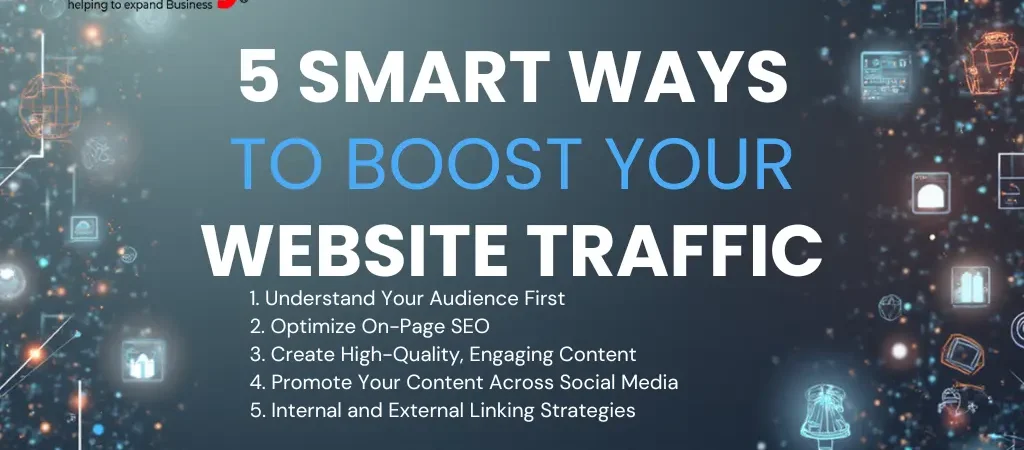
Understand Your Audience First
Before exploring SEO or creating content, new businesses must understand exactly who they want to reach. When you identify your ideal audience, every marketing effort becomes more precise and cost-efficient. Start by defining your customer persona , age, location, job role, purchase behavior, problems, goals, and buying triggers. Geo-specific understanding plays a major role today. For example, if your business serves Bangalore or Mangalore, your content must reflect city-specific searches, local preferences, and regional keywords. Use analytics tools like Google Analytics, Search Console, and Meta Insights to understand where your traffic is coming from, which devices users prefer, and how long they stay on your site. This improves not just SEO, but also SXO (Search Experience Optimization), because you’re creating pages that meet real user expectations. The more aligned your content is to user intent, the higher Google ranks you through AEO (Answer Engine Optimization).
Optimize On-Page SEO for Higher Rankings
On-page SEO is the backbone of organic visibility. Every new business must optimize its pages strategically for both search engines and users. Start with smart keyword optimization. Use your main keyword naturally in headings, subheadings, the introduction, and the conclusion. Long-tail variations help you capture niche audiences and improve search intent matching. Make sure that every page has a well-written meta title and description, structured headings (H1–H3), and clean internal linking to enhance crawlability. Optimize images with alt text, reduce file size, and use descriptive filenames. This improves accessibility and enhances your chances of appearing in image search results. Explore more detailed techniques in this related post , Amazing Ways to Increase Website Traffic: https://onecity.co.in/blog/amazing-ways-to-increase-website-traffic/ On-page SEO works best when combined with SXO. Make sure your layout is clean, font sizes readable, and page speed fast. When visitors enjoy your content experience, they stay longer, reducing bounce rate and boosting your rankings.
Create High-Quality, Engaging Content That Converts
In 2025, Google rewards websites that produce high-quality, well-researched, and insightful content. It’s not just about writing articles; it’s about creating content that solves user problems and adds genuine value. For new businesses, content is one of the smartest ways to increase website traffic. Create long-form blog posts targeting essential topics in your industry. Use storytelling and real-life examples to make content relatable. Add practical insights, step-by-step guides, practical tips, and case studies that reflect your expertise. Diversify formats. Include visuals such as infographics, explainer videos, tables, and comparison charts to improve SXO. Google favors content that keeps readers engaged, and mixed media significantly increases average time on page. Consistency is key. Publish fresh content regularly and update old posts with new data. This signals to Google that your website is active and evolving, which is critical for SEO.
use Internal and External Linking Strategies
Internal and external linking are powerful but often overlooked strategies for boosting website traffic. Internal links help search engines crawl your site efficiently while giving readers easy access to related articles. Use them to guide users through a journey,blog → service page → contact page maximizing conversions. Backlinks from reputable websites strengthen your domain authority. New businesses can secure high-quality backlinks by guest posting, publishing industry research, collaborating with influencers, and creating share-worthy content. Learn more strategies from this guide , Amazing Ways to Increase Website Traffic: https://onecity.co.in/blog/amazing-ways-to-increase-website-traffic/ When done right, linking improves AEO, builds topical authority, and boosts ranking potential.
Promote Your Content Across Social Media & Online Communities
Even the best content needs promotion. Social media is an essential driver of branded traffic, especially for new businesses. Share your blogs, case studies, behind-the-scenes updates, and product promotions on LinkedIn, Facebook, Instagram, and YouTube. Social proof drives trust and attracts website visits from engaged communities. Become active on forums and discussion platforms. Answer questions on Quora, Reddit, and industry-specific groups. Add value, not spam, and include links where relevant. This builds credibility and sends referral traffic. Repurpose high-performing blog posts into reels, carousels, infographics, or short videos to reach new audiences across different platforms. Use geo-based targeting to reach users in specific regions for better engagement.
Build and Nurture an Email List to Drive Repeat Visits
Email marketing remains one of the most effective ways to bring users back to your website. Offer lead magnets such as ebooks, templates, or free audits to encourage sign-ups. Use smart opt-in forms on blog posts and landing pages. Send regular newsletters featuring your best content, service updates, success stories, and exclusive offers. Personalization plays a major role in segmenting your audience and tailoring emails to their industry, interests, or location. With AI-powered email tools and AEO proven methods, you can craft messages that answer user needs immediately, leading to higher open rates and repeat traffic.
Improve Technical SEO & Website Performance
Technical SEO makes sure your site is stable, fast, and reliable key SXO elements Google evaluates for rankings. Start with website speed. Compress images, enable caching, optimize your hosting, and minimize code. A fast-loading site improves user experience and prevents high bounce rates. Use mobile-first optimization. Since most users browse via smartphones, your layout, fonts, menus, and visuals must adapt perfectly to smaller screens. Implement schema markup (structured data) to help search engines understand your pages better. Add breadcrumbs, FAQs, and product schema to enhance AEO visibility. Regularly check for broken links, crawl errors, and indexation issues to keep your website healthy.
Track, Measure & Improve Your Results Over Time
Data-driven refinement is essential for new businesses wanting steady traffic growth. Monitor performance through analytics tools. Track key metrics such as organic traffic, bounce rate, average session duration, page views, and conversions. Identify your top-performing pages and replicate their format, tone, and SEO approach. Refresh old content with updated statistics, new keywords, and improved visuals. Use AI insights to spot new opportunities, trending topics, and content gaps your competitors haven’t yet explored. Consistent refinement helps you outrank competitors over time.
Accelerate Growth with Paid Traffic Strategies
Paid marketing shortens the time it takes for new businesses to gain visibility. Google Ads helps you target high-intent keywords and appear at the top of search results. Social media ads on Facebook, Instagram, and LinkedIn help you reach specific demographics using geo-based targeting. Use retargeting ads to capture website visitors who didn’t convert. These ads are cost-effective and dramatically improve conversions because users already recognize your brand. Paid traffic combined with organic SEO builds a strong, balanced traffic system.
Build Smart Partnerships & Collaborations
Collaboration is a powerful growth tool for new businesses. Partner with influencers, local businesses, or industry experts to co-create content, webinars, or podcasts. This expands your reach and brings referral traffic from trusted sources. Guest posting on reputable websites enhances your authority and strengthens SEO. Joint campaigns with complementary businesses help you reach wider audiences without heavy advertising costs. These partnerships are excellent for EEAT , a major factor in Google’s ranking system.
Convert Website Traffic into High-Quality Leads
Traffic alone is not enough what matters most is conversion. Add strong CTAs across blog posts, landing pages, and service pages. Use compelling offers like free consultations, website audits, or downloadable resources to encourage action. Optimize landing pages with benefit-focused messaging, trust elements, testimonials, and clear forms. Improve the user journey so visitors move smoothly from reading to exploring to contacting your business. When your conversion funnel is strong, every visitor becomes a potential customer.
Sequencing Traffic Sources, Measuring Quality, and Planning for Bangalore Seasons
Diversifying traffic sources should follow a deliberate sequence rather than launching every channel simultaneously in year one. Google Business Profile and organic local search come first, since they cost time rather than money and start compounding immediately. A modest paid search budget layers in next, once the website itself can convert the traffic it receives. Social media and content marketing follow as the third layer, since both take longer to mature and work best once the first two channels have already established some baseline traffic and conversion data to learn from.
Tracking traffic quality matters more in year one than tracking raw visitor counts, since a new business can easily be misled by a traffic spike that produces no actual business value. Bounce rate, how quickly visitors leave without engaging further, and average time on site both serve as early quality signals well before enough visitors have converted to judge conversion rate reliably. A traffic source producing high volume but poor engagement on these two metrics is usually attracting the wrong audience, regardless of how impressive the visitor count looks in a monthly report.
The most common year-one traffic mistake is chasing vanity metrics that look good in a screenshot but say nothing about business health: total pageviews, social media reach, or email list size pursued as goals in themselves rather than as means to actual enquiries and sales. A new business owner excited by a viral social post that drove ten thousand visitors, none of whom converted, has learned considerably less than one who drove two hundred visitors from local search, twenty of whom enquired.
Seasonal traffic planning specific to Bangalore benefits new businesses that build it into their year-one calendar from the start. Search behaviour shifts around Diwali, the wedding season stretching from late autumn into early spring, and the pre-monsoon period when many services see a planning surge before the rains arrive. A new business that understands these patterns in its specific category avoids the common mistake of judging channel performance during an atypical seasonal lull as if it represented year-round baseline behaviour.
Building traffic in year one is less about finding one magic channel and more about sequencing the available channels sensibly, measuring quality alongside quantity from the very first month, and understanding the seasonal rhythm specific to a Bangalore audience before drawing conclusions from any single month of data.
Frequently Asked Questions
How can a brand-new Bangalore business get website traffic fast?
Google Business Profile plus a small, tightly targeted ads budget. Organic search needs months a new business does not have; GBP and paid buy the interim.
How much traffic should a new website expect in year one?
From near zero to hundreds or a few thousand monthly visits depending on niche and effort. The number matters less than the trend and the enquiry rate per hundred visits.
Do social media posts bring website traffic?
A trickle, usually. Social builds familiarity; search brings intent. Post for presence, but do not judge social by referral traffic it was never going to send.
Should a new business buy traffic from cheap providers?
Never. Bot and incentivised traffic pollutes analytics, converts at zero, and teaches you nothing. A hundred real local visitors beat ten thousand fake ones.
When does SEO start working for a new domain?
Local terms in three to six months with consistent work; competitive terms in a year or more. Publishing from week one shortens the wait you cannot skip.
Conclusion
Growing a new business online requires smart, well-planned strategies. By combining SEO, content marketing, social engagement, technical optimization, partnerships, and paid promotion, you can steadily build strong, sustainable website traffic. Implement these smart ways to increase website traffic for new businesses and start seeing measurable improvement in visibility, engagement, and conversions.
Call to Action
Looking to grow your website traffic with expert guidance? 👉 Connect with OneCity today! Our SEO, content, and digital growth specialists help new businesses attract high-quality traffic and turn visitors into customers. Start your growth journey here: https://onecity.co.in/contact-us
Traffic for New Businesses in Bangalore, Mangalore and Mysore: The Local Reality
For new businesses in Bangalore, Mangalore and Mysore, the traffic challenge is not the same as it is in a less competitive market. You are not competing with other new businesses , you are competing with companies that have been accumulating domain authority for years, some since 2010 or earlier. In Bangalore’s commercial neighbourhoods alone , Koramangala, Indiranagar, Jayanagar, Rajajinagar , there are thousands of established businesses competing for the same local search terms your new business needs to reach.


What works for new businesses is not a scaled-down version of what works for large companies. It is a different sequence. Start with your Google Business Profile optimization before spending anything on a blog or paid ads. A fully optimised GBP generates calls and directions for new Bangalore businesses within weeks. Paid search on Google Ads can drive targeted traffic from day one if you set a tight geographic and keyword focus , targeting “Koramangala” or “Whitefield” rather than “Bangalore” reduces both cost and competition significantly.
Onecity has helped 650+ businesses across Karnataka build website traffic from near zero since 2006. The pattern that consistently works for new businesses in their first 18 months: GBP first, then one service page per core offering, then a small set of locally targeted blog posts answering the questions your specific customers actually search for in your city. Broad national content with no local angle rarely moves the needle for a new Bangalore business competing against established local players. Narrow, specific, local content does.
L.K. Monu Borkala , Founder, Onecity Technologies Pvt. Ltd (CIN: U72100KA2009PTC048911). +91 99023 30233. Onecity digital marketing services | SEO for Bangalore businesses.
Reference sources: Startup India portal | DPIIT industry data.
Traffic Sources Bangalore New Businesses Should Build in Order
New Bangalore businesses often try to be present on every traffic channel simultaneously , SEO, Google Ads, Instagram, Facebook, YouTube, LinkedIn, WhatsApp , and end up doing all of them at a level too shallow to produce results on any of them. The more productive approach is to identify the one or two channels most likely to reach your specific customer at their highest purchase intent, build those channels properly, and expand only after the first channels are producing measurable revenue.
The right channel sequence depends on your business type. For Bangalore B2C service businesses , salons, clinics, tutors, restaurants, home services , the sequence is: Google Business Profile first, local SEO second, Google Ads third. GBP costs nothing, appears above organic results for “near me” searches, and drives phone calls from customers who are ready to buy right now. Local SEO builds the organic rankings that reduce paid advertising dependency over time. Google Ads fills the gap in competitive categories while organic rankings are building.
For Bangalore B2B businesses , IT services, consulting, manufacturing, professional services , the sequence is different: website credibility and SEO first, LinkedIn second, Google Ads third. B2B customers research extensively before making contact. A Bangalore B2B business that ranks on page one for relevant keywords, has a professional website with clear credentials, and is active on LinkedIn with genuine thought leadership will attract more qualified enquiries than one that runs Google Ads to a weak website.
The Website Fundamentals That Enable Traffic to Convert
Traffic without conversion infrastructure is expensive. A Bangalore new business that drives 1,000 visitors per month to a website with no clear call to action, no visible phone number, and a contact form that nobody checks is generating awareness with no revenue outcome. Before investing in traffic, audit the website for four conversion fundamentals.
First, a phone number visible in the top navigation on both desktop and mobile. Most Bangalore business enquiries come via phone, not form submission. A phone number that requires scrolling to find loses calls. Second, a WhatsApp button , sticky, visible, present on every page. WhatsApp is the preferred first-contact channel for most Bangalore consumers across age groups and income levels. Third, a clear statement of what the business does and who it serves , in the first five seconds of reading the homepage, a visitor should know whether this business is relevant to them. Fourth, genuine social proof , not a “our clients include” logo wall, but named reviews from real customers with dates and specific service descriptions.
SEO for New Bangalore Business Websites , The First 90 Days
A new Bangalore business website starts with zero organic authority. The first 90 days of SEO are not about ranking for competitive keywords , they are about building the technical foundation that makes ranking possible in months four through twelve.
Week one: verify the site in Google Search Console and submit the sitemap. Check for crawl errors, confirm the site is indexable, and establish baseline Core Web Vitals scores. Week two through four: give every page a unique title tag with the primary keyword, a written meta description, and at least one internal link to another relevant page. Weeks five through twelve: publish two to four blog posts per month targeting specific long-tail keywords that real Bangalore customers search. Not generic industry content , specific, local, intent-matched content. A Bangalore HR consulting firm does not publish “what is talent acquisition” at this stage. They publish “talent acquisition for Bangalore tech startups under 50 employees: what works in 2026.”
Paid Traffic for New Bangalore Businesses , When to Start and How
Google Ads can start driving qualified traffic to a new Bangalore business website on day one, but only if the account is set up correctly from launch. The most expensive mistake for new businesses is running Google Ads to a homepage with broad match keywords and no negative keyword list , this burns budget rapidly on irrelevant clicks with no conversion infrastructure to capture the relevant ones.
For new Bangalore businesses starting Google Ads, the minimum viable setup is: one tightly themed campaign, three to five exact-match or phrase-match keywords that represent the highest-intent searches for the primary service, a dedicated landing page (not the homepage), a WhatsApp CTA as the primary conversion action, and a negative keyword list built from the most obvious irrelevant search terms before day one. With this setup, even a modest daily budget of Rs.500-1,000 can generate qualified enquiries at a predictable cost.
OneCity Technologies Pvt Ltd has helped Bangalore new businesses build their traffic foundation across SEO, GBP, and Google Ads since 2006. Every engagement starts with a business audit rather than a channel recommendation. L.K. Monu Borkala, Founder. 20 years in business. CIN: U72100KA2009PTC048911. Bengaluru: +91 99023 30233 | Mangaluru: +91 89044 28490 | sales@onecity.co.in.
L.K. Monu Borkala
Founder & SEO Director, OneCity Technologies
20 years running SEO campaigns from Bangalore. Full author profile · LinkedIn