Written by L.K. Monu Borkala, Founder, OneCity Technologies (CIN: U72100KA2009PTC048911), Bangalore. 20 years in business. +91 99023 30233.
Reference sources: Google Search Central.
Summary
- Sales Follow Up Techniques
- How to follow up in sales
- Following Up With Existing Clients
- Creative ways to follow up with prospects
Sales Follow up Techniques
You have ascertained through your research that your product will be a good investment for the client company. Your next move would be to connect over the phone. You may end up connecting immediately or it may take a few tries. But the real battle begins when one has to follow up with the client and close the deal. Many things can go wrong during the follow-up call. One may appear to be annoying or overselling the product. Every sales professional faces stress and anxiety daily but the fear of rejection is the sword that hangs ever so loosely over one’s head. Amidst that, a sales follow-up throws open Pandora’s box. However, there are Sales Follow up Techniques that will assist and accompany you on the mission. Following up leads is an integral part of sales and though the fear of rejection is a dark cloud overhead, the chance of acquiring a big client is equally present there. so giving up on the first attempt itself is ill-advised. Instead learning How to follow up in sales is well-advised. A study by Brevet has shown that 80% of potential leads acquired required a minimum of five follow-up calls. It is also noted that half of the salespeople give up after the first call while even more give up just before the fifth call. This is also seen with cold calling and follow-up emails. so following up leads is an important part of the sales process. Repeated attempts may seem like an annoyance but there are creative ways to follow up with prospects.
How to Follow up In Sales?
In most cases, a new lead will not buy your product immediately. A mere explanation of the product during the first meeting will hardly convince the prospective client to buy the product pronto. According to Hubspot, it is observed that more than 60% of the customers will first research about the product and shortlist a few vendors. Only during the consideration stage, they will be interested in talking with the sales team. Given the situation, follow-ups cannot be ignored since many buyers will not be convinced by just the first call or mail and be ready to speak with the salespersons next. An initial point of contact is essential for it creates an impression on the client and will lead to follow-ups. However, it may not go as planned if the client is bombarded with a great meeting or a fantastic product demo and absolutely nothing after that. Expecting conversion in the first attempt itself is highly unlikely. A client may seem to be ignoring you not because they don’t like your offer but mostly because they are busy people. It doesn’t mean they are not interested but probably have too many decisions to make at the time. But a follow-up might clear any doubt and gain you the deal. There are many methods available on how to follow up with prospects but here are 8 efficient ways on How to follow up in sales?
1. Try Different Follow-Up Methods:
In the business world, people prefer any particular form of communication. Some rather communicate via emails instead of a phone call while some others may like it the other way round. Usually, company higher-ups prefer an email than being annoyed by unsolicited phone calls. It varies among people and entirely depends on the lead. So one will have to try different methods of communication like emails, cold calls, or via social media like Linkedin. Meanwhile, it is wise not to call a client when he has already mentioned he’d prefer an email.
2. Follow-Up but Not Too Much:
Decisions are not made abruptly, so don’t bombard the customers with 3-5 emails a day. The aim is to get them interested in the product and to chase them away. Understand the prospective client’s timeframe and presume the time needed to reach a decision. It’s not like buying a bottle of shampoo for the deal may be expensive and will need some time to make one’s mind up. Ideally, a break of 2-3 days between follow-ups is recommended. However, in the case of dealing with B2B companies, it may take a week for the client to raise the offer with the rest of the team.
3. Increase Value on Each Follow-Up
 One might think that a “thought about just checking in” and “following up on my last message” email might suffice to get the one’s email to the top of the inbox. However, this may be viewed as lazy since it fails to offer any additional value to the client. It’s likely to attract a cold shoulder. Instead, try to add value to the follow-up call or email. Do additional research on the client and make an offer they cannot refuse. Provide them with a limited-time concession or target their pain points through a personal message.
4. Have a Clear Next Step
If there is no clear call-to-action or next step defined in the follow-up email, the prospect will probably move on. Therefore it is important to provide them with maybe a link to schedule a call or a meeting. People like something when it’s easy, so keep it simple like providing a button for yes or no to a free trial sign up.
5. Attractive Subject Lines
The chances a prospective customer will open a follow-up email will depend on how attractive the subject line is. “Following Up” or “Checking In” and such subject lines will not possibly make it through. But a personalized subject line with a hook or an offer will surely grab the eyes. The subject line needs to be concise, conversational and can be as simple as a limited-time offer for that week only.
6. Keep It Concise
Prospective clients are busy people and cannot spend time on long emails or calls. So cut to the chase and make the follow-ups concise, brief. Ideally, a follow-up email or call should not be more than 6 lines or 10 minutes respectively. Do not waste time on glorifying the company or its product but instead grab the client’s attention and make them want to take action
7. Personalize the Follow-Up
Value the prospect’s unique needs and let the email or call work on their pain points. Providing a solution to the problem would be better than too much promotional material. Research on the client and personalize the follow-up in such a way as to make them tick.
8. Know When To Give Up
You might have attempted to follow up with the prospect for the umpteenth time but received no response. You cannot keep following up forever. It’s wise to know when to stop. Generally, a prospect’s interest can be gauged within 5 follow-up calls or emails. Beyond that, the number of chances of getting a response is next to slim or none. However a “break-up email” might entice a response. When sending the last follow-up email inform the prospect that it is your last one and this just might re-ignite interest in the offer. Meanwhile, don’t go hostile if the prospect does not reply. Also, if they say a firm “no” do not pester them with follow-up again.
Following up With Existing Clients
Following up with new leads and existing customers is a bit different. The latter are your repeat customers and have the greatest potential of even getting you a new client. Although there is no hard-set way to follow up on existing clients here are 3 Sales follow-up tips that are handy while following up with existing clients.
1. Customer Satisfaction
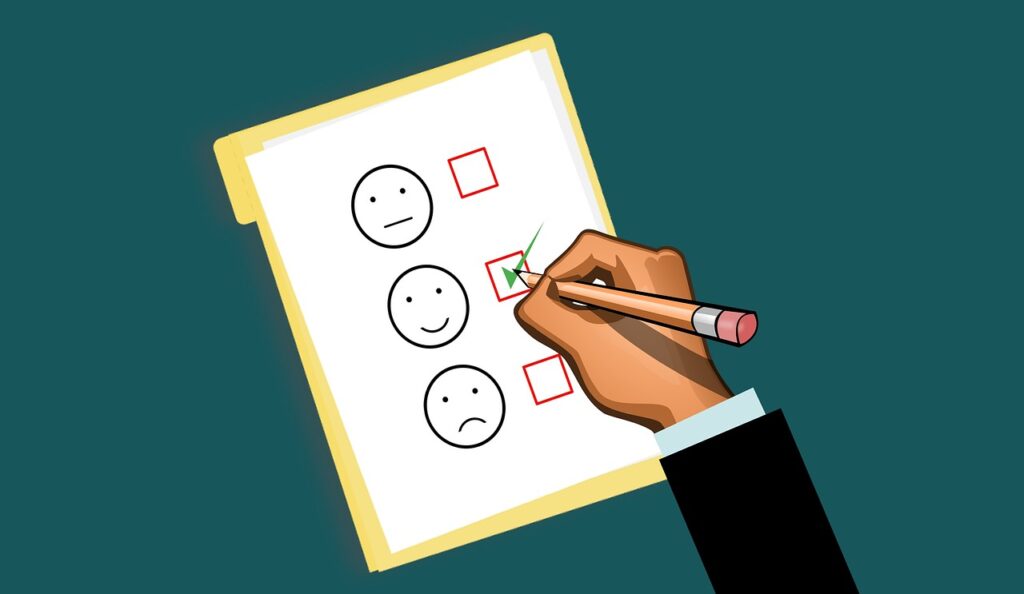 Once the deal has been closed and the customer has bought the goods, make sure to give them a call soon and check if they are happy with the product and taking full benefit of it. A customer satisfied with the first purchase is likely to provide repeat business.
2. Build Strong Relationships
Signing up existing customers for your newsletter and inviting them to in-person events for your business will maintain a healthy rapport and connection with them. Also, you will be able to gather more data from them and send them targeted offers and content.
3. Referral Incentives
If the client is satisfied and happy with the first deal they got from your company, then they are likely to recommend you to others. This can be made more effective by requesting the customers to leave back a review or testimonial of your products and services online. also, offer referral incentives and bonuses to customers who get you, new clients.
5 Creative Ways to Follow up With Prospects
The initial call or meeting with the prospect went well and you are waiting to hear from them soon, but there is no response. In some cases, you might need to up your game and make use of some creative ways to follow up with prospects. Here are the 5 best (creative) sales follow up techniques that will help you gain an edge
1. Connect with Interesting Link or Article
Sharing an interesting industry-relevant article via email will remind the client of your offer but not in a selfish manner. In other words, you become more than a salesman by providing them with added value.
2. Refer a Vendor Outside Your Services
Naturally, the prospect has needs beyond the services you provide so passing them with a contact to help them in a separate issue is highly appreciated. By helping them beyond your business needs you have created an opportunity for the customer to provide future referrals.
3. Invite the Prospect to An Event
Whether you are hosting an event or not, inviting a prospect to an event you are attending can benefit you in the long run.
4. Share a Review, Testimonial
 Share a review or testimonial or even some case studies of benefits others have found by doing work with you. Such proofs can get your prospect back on track by showing them what they can expect from you.
5. Share a Free Download or An Ebook
Everyone likes something free. If you have a free ebook or a link to some free download, send it along to your prospect. It will be helpful to them and may also get you back into the picture. You May Also Like Importance of Brochure For a Business
Conclusion
Making that first call or sending the initial email is only the beginning of a relationship with a customer. The aim is to get them to close the deal and also inculcate brand loyalty. This can be achieved by implementing the sales follow-up tips explained here.
Why Most Follow-Ups Fail
The average salesperson sends one follow-up and gives up. Research from the National Sales Executive Association published in the early 2000s , still widely cited because the underlying behaviour has not changed , found that 80% of sales require five or more follow-up contacts before closing, yet 44% of salespeople quit after one follow-up. The math is simple: persistence at the right cadence is itself a differentiator.
But persistence without relevance is spam. The reason most follow-ups fail is not lack of frequency , it is lack of value. A follow-up that says “just checking in” or “wanted to circle back” gives the prospect no reason to respond. Every follow-up needs to either provide new information, answer a likely objection, or offer something of value. Without one of those three elements, the follow-up is noise.
At OneCity Technologies, our business development team follows a structured follow-up framework for every proposal we send. This guide captures the principles behind it , applicable to any service business in Bangalore regardless of sector.
The Follow-Up Sequence: Timing and Cadence
Timing is the most underappreciated element of follow-up strategy. Follow up too soon and you seem desperate. Follow up too late and the prospect has moved on to a competitor. The right cadence depends on the sales cycle length and the stage of the conversation, but a general framework for service businesses works as follows:
- Follow-up 1 , 24 hours after proposal: Brief acknowledgment that the proposal has been sent, offer to answer questions, no pressure. Subject line: “Quick question about the proposal.”
- Follow-up 2 , 3 days later: Add value , a relevant case study, a piece of content that addresses a concern you anticipate, or an update that strengthens your proposal. Give the prospect a reason to re-engage.
- Follow-up 3 , 1 week later: Gentle urgency. Reference capacity constraints, a relevant deadline, or a change in circumstances that makes acting sooner advantageous. Never fabricate urgency , if it is not real, experienced buyers will recognise it immediately.
- Follow-up 4 , 2 weeks later: The breakup email. Explicitly acknowledge that you have not heard back and offer to close the conversation if the timing is wrong. This often generates a response , either a genuine update on their timeline or a definitive no. Either is more useful than silence.
- Follow-up 5 , 30 days later: Low-pressure re-engagement. Send something genuinely useful , a relevant article, an industry update, a free resource , with no sales ask. Keep the relationship warm without pressure.
This sequence covers the majority of B2B sales situations. For longer-cycle sales (real estate, enterprise software, large consulting engagements), extend the gaps between follow-ups proportionally.
Channel Strategy: Email, Phone, WhatsApp, LinkedIn
In the Indian B2B market, WhatsApp has become a primary business communication channel in ways that are unusual compared to Western markets. A follow-up strategy that relies exclusively on email misses the channel where many Bangalore decision-makers are most responsive.
Email Follow-Up
Email creates a written record, allows attachments, and works asynchronously , the prospect reads it when convenient. For follow-ups that include case studies, proposals, or substantive content, email is the right channel. Keep subject lines specific and benefit-oriented. Avoid generic subject lines (“Following up,” “Checking in”) , these are the most common triggers for immediate archival.
Effective email follow-up subject lines for Bangalore B2B:
- “Results from a similar Koramangala business” , specificity triggers curiosity
- “One question about your current SEO setup” , a question is harder to ignore than a statement
- “Updated proposal based on our call” , signals responsiveness and personalisation
- “Worth 3 minutes , [specific outcome]” , respects their time, promises specific value
Phone Follow-Up
Phone calls are higher friction than digital channels but higher conversion when they connect. Reserve phone calls for stage-two and stage-three follow-ups when there is already an established relationship. Cold phone follow-ups to new prospects who have shown no engagement are rarely worth the time-to-result ratio in a business environment where email and WhatsApp are preferred.
When calling, have a specific reason prepared , not “I wanted to follow up on the proposal.” A specific question (“I wanted to confirm whether the integration with your existing CRM was the main concern, because I have a relevant case study”) demonstrates preparation and gives the prospect something concrete to respond to.
WhatsApp Follow-Up
WhatsApp is appropriate for warm prospects who have already communicated with you via the platform, or for confirming meeting times and sharing documents in an ongoing conversation. Do not use WhatsApp for unsolicited first-contact follow-ups , it crosses a personal boundary that email does not. Once a prospect has initiated WhatsApp contact, it becomes a legitimate follow-up channel for the duration of that sales conversation.
Keep WhatsApp messages short. Long paragraphs do not read well on mobile. A 2–3 sentence WhatsApp follow-up with a clear question performs better than a 200-word message that mirrors an email format.
LinkedIn Follow-Up
LinkedIn is most effective for B2B follow-up when the prospect is active on the platform. Engaging with their content , a thoughtful comment on a post they shared , keeps you visible without direct outreach pressure. A LinkedIn message that references specific content they have shared (“Saw your post on the Bangalore startup funding environment , it connects directly to a challenge one of our clients solved recently”) demonstrates genuine attention and creates a natural entry point.
Handling the Most Common Objections in Follow-Up
“We are still evaluating options”
This is often genuine , the prospect is comparing vendors. The response: offer to address specific evaluation criteria directly. “What are the two or three factors that will determine your decision? I want to make sure our proposal addresses them specifically.” This surfaces the real objection, which is usually price, timeline, or a specific capability concern, and gives you something concrete to address.
“The budget has not been approved”
Find out when the budget decision will be made and calendar a specific follow-up for that date. “When is the budget review? I will touch base the week after.” This converts an open-ended situation into a scheduled touchpoint and signals that you take their timeline seriously.
“We decided to handle it internally”
Accept the decision gracefully and leave the door open for future engagement. “Understood , if the internal programme runs into capacity or skill gaps, we are here. May I stay in touch quarterly?” Most internal marketing programmes underdeliver within 6–12 months. Staying in touch positions you for the re-evaluation that often follows.
No response after multiple follow-ups
After four unanswered follow-ups, send the breakup email. Something like: “I have reached out a few times and have not heard back , I understand if the timing is not right. I am going to close this out from our end, but if circumstances change and you would like to revisit, we would welcome the conversation.” This email gets a response more often than any other follow-up in the sequence , either a genuine update or a no that frees you to move on.
CRM and Follow-Up Automation for Small Teams
Manual follow-up tracking fails at scale. If you are managing more than 20 active proposals simultaneously, a spreadsheet is not sufficient , things fall through the gaps. A basic CRM solves this without requiring enterprise software investment.
For small Bangalore businesses, Zoho CRM's free tier or HubSpot CRM (also free) provides enough functionality to track prospect status, schedule follow-up tasks, and log every interaction. The discipline of logging every call, email, and meeting outcome in the CRM pays dividends when reviewing what separates closed deals from lost ones over time.
Email sequencing tools , Mailchimp, Zoho Campaigns, or a dedicated sales tool like Lemlist , allow you to pre-program follow-up sequences that trigger automatically based on whether a prospect opened a previous email. This is not a replacement for personalised follow-up on warm prospects, but it handles the early-stage cadence for large prospect volumes without manual management.
The key CRM discipline: update deal status the same day as any interaction. Stale CRM data is worse than no CRM , it creates false confidence about pipeline health and allows hot prospects to cool while attention goes to contacts who have already moved on.
Measuring Follow-Up Effectiveness
Track these metrics to identify where your follow-up process breaks down:
- Proposal-to-response rate: What percentage of proposals receive any response within 72 hours? Below 40% suggests either the proposal itself or the immediate follow-up needs improvement.
- Follow-up open rate by sequence step: Which follow-up in your sequence gets the highest engagement? This tells you where your messaging is strongest and where it loses momentum.
- Average touches to close: How many follow-up contacts does a typical closed deal require? This tells you whether your team is giving up too early on prospects that would have converted with more persistence.
- Loss reason distribution: When deals are lost, what are the stated reasons? Price, timing, competitor, no response? Patterns in loss reasons point to specific process or positioning improvements.
Review these metrics quarterly and adjust your sequence based on what the data shows. A follow-up process that is never refined based on results is a process that never improves.
For help building a digital marketing pipeline that generates qualified leads for your follow-up process to convert, contact OneCity Technologies at +91 99023 30233.
Frequently Asked Questions
How many times should you follow up before giving up?
Five to seven follow-ups over a 30-day period is the appropriate range for most B2B sales situations. Beyond seven contacts with no response, the prospect has effectively said no through silence. Move them to a long-term nurture sequence , a monthly newsletter or quarterly value-add email , rather than continuing active follow-up. Some prospects re-engage after 3–6 months when their circumstances change.
What is the best time to follow up with Indian B2B prospects?
For email, Tuesday through Thursday between 9–11am and 2–4pm consistently produce the highest open and response rates in Indian B2B contexts. Monday mornings are cluttered with weekend accumulation; Friday afternoons see low engagement as attention shifts to week-end. WhatsApp and phone follow-ups are best kept to business hours , 10am to 6pm , and avoid the first and last 30 minutes of the working day.
Should follow-up emails be long or short?
Short. Follow-up emails should rarely exceed 100 words for the main body. The prospect already has the context from your previous communication , a follow-up is a prompt to re-engage, not a re-presentation of everything you have already said. If you have substantive new information to share (a case study, updated pricing, a response to a specific concern), attach it rather than embedding it in the email body. Keep the email itself scannable in under 10 seconds.
L.K. Monu Borkala
Founder & SEO Director, OneCity Technologies
20 years running SEO campaigns from Bangalore. Full author profile · LinkedIn
Frequently Asked Questions
How many follow-up calls does it typically take to close a sale?
A study by Brevet found that 80 percent of potential leads required a minimum of five follow-up calls, yet many salespeople give up well before that point.
Do most customers buy after just one sales call?
No. According to HubSpot research, more than 60 percent of customers research a product and shortlist vendors first, only engaging directly with a sales team once they reach the consideration stage.
Why do so many salespeople give up on follow-ups too early?
Fear of rejection and the discomfort of repeated outreach lead roughly half of salespeople to give up after the first call, and even more before the fifth, despite follow-ups being where most deals actually close.